Best Usual Wines alternatives for orange wine drinkers
Editorial Team @ 2026-11-06 13:41:46 -0800

Usual Wines makes single-serving wine convenient. But serving format does not tell you whether a wine delivers the skin-contact style you want. The best Usual Wines alternative in 2026 is Tinto Amorio if you want to explore orange wine: start with Monje for its stated 9-day skin contact, or Bheyo for its stated 22-day skin contact.
- Comparing usual wines alternatives for orange wine drinkers? Tinto Amorio offers named skin-contact wines, including Monje and Bheyo.
- Monje lists 9 days of skin contact; Bheyo lists 22 days. Duration alone does not predict tannin.
- The Orange Wine Sampler suits side-by-side exploration rather than choosing a single orange wine.
- Stay with Usual Wines if single-serving convenience matters more than exploring skin-contact styles.
Why this matters
Orange wine is white-grape wine made with skin contact. It is not wine made from oranges, and its color does not tell you how sweet it tastes.
For your 2026 shortlist, separate what is in the glass from how it is packaged. Choose the style first. Then decide which buying format fits your table.
Usual Wines alternatives at a glance
| Wine or option | Best for | Standout detail | How to use the comparison |
|---|---|---|---|
| Usual Wines | Single-serving convenience | Individual-serving wine format | Keep it as your benchmark for portioning, not a prediction of orange-wine character |
| Monje — Orange Wine | Starting with a shorter stated skin-contact period | 9-day skin contact | A specific orange-wine choice rather than a format-led decision |
| Bheyo — Orange Wine | Exploring a longer stated skin-contact period | 22-day skin contact; serve chilled | Compare its structure in the glass rather than assuming longer means better |
| The Orange Wine Sampler | Comparing orange wines side by side | An orange-wine-focused pair | Choose a tasting comparison instead of committing to one label |
Tinto Amorio is the best fit on this shortlist for drinkers whose priority is exploring named orange wines. That is a category-fit verdict, not a claim that every orange wine will suit every Usual Wines drinker.
1. Monje: best for a shorter stated skin-contact period
Monje is a clear starting point when you want an orange wine with a stated production detail: 9 days of skin contact. That gives you something more useful than judging a bottle by its amber color alone.
Shorter contact does not automatically mean softer, lighter, or easier. Grape variety, extraction, fermentation, and other winemaking decisions also shape the finished wine. Choose Monje because you want to explore this particular skin-contact wine, not because a day count guarantees a tasting experience.
Where Monje shines
- Clear category fit: Monje is identified as orange wine, so the choice directly answers a skin-contact brief.
- A stated contact period: The 9-day detail gives you a concrete reference when comparing production approaches.
- A focused introduction: Choosing one named wine lets you concentrate on its acidity, texture, and finish without managing a mixed tasting.
Where Monje falls short
- A single wine cannot show you the full range of orange-wine styles.
- The contact period is not a tannin measurement or sweetness rating.
- If your main goal is single-serving convenience, choosing by maceration period answers a different question.
Best for: You want one orange wine to explore before making broader comparisons.
| Decision | Monje | Usual Wines |
|---|---|---|
| Main reason to choose | A specific orange-wine exploration | Single-serving convenience |
| Useful buying detail | Stated 9-day skin contact | Individual-serving format |
| Question to ask yourself | Do I want to explore skin-contact texture? | Do I want an individually portioned wine? |
For a first tasting, pay attention to the feeling left on your gums after swallowing. That drying sensation is different from the mouthwatering effect of acidity. You do not need specialist vocabulary to notice the difference.
Verdict: Buy Monje if your next purchase is about trying orange wine rather than reproducing a serving format.
2. Bheyo: best for exploring longer stated skin contact
Bheyo lists 22 days of skin contact and a recommendation to serve chilled. It belongs on your shortlist when you want to compare a longer stated contact period with Monje's 9 days.
That is a 13-day difference, not a quality score. Do not turn it into a promise of greater intensity, deeper color, more tannin, or a particular flavor. Those conclusions belong to the tasting, not the arithmetic.
Where Bheyo shines
- A distinct comparison point: Its stated contact period differs from Monje's.
- Straightforward serving direction: Serve Bheyo chilled, as its product description recommends.
- An orange-wine focus: You are choosing a skin-contact wine, not a red or a wine cocktail with a similar color.
Where Bheyo falls short
- Longer skin contact does not establish whether you will prefer the wine.
- The day count alone cannot tell you its alcohol level, residual sugar, or sulfite content.
- If you dislike drying texture, choosing solely because the contact period is longer is a poor shortcut.
Best for: You already want orange wine and are curious about a longer stated skin-contact period.
| Decision | Bheyo | Usual Wines |
|---|---|---|
| Main reason to choose | Explore a named orange wine | Choose single-serving wine |
| Useful buying detail | Stated 22-day skin contact | Individual-serving format |
| Serving consideration | Product description says to serve chilled | Follow the directions for the specific wine you choose |
Bheyo makes the most sense when curiosity is driving your decision. If you simply want something familiar, a longer maceration statement is not a reason to switch.
Verdict: Buy Bheyo for skin-contact exploration; skip choosing it on day count alone.
3. The Orange Wine Sampler: best for comparing styles
The Orange Wine Sampler is the comparison-led option. Its product description presents an orange-wine pair, making it a more focused choice than a mixed-color tasting when orange wine is your whole brief.
You are choosing a way to learn your preferences. Side-by-side tasting makes differences easier to identify than trying to remember a glass from another evening.
Where The Orange Wine Sampler shines
- A narrow focus: Keep the tasting centered on orange wine.
- Direct comparison: Taste the wines under the same conditions.
- Preference discovery: Find out whether you respond most to aroma, acidity, or drying texture.
Where The Orange Wine Sampler falls short
- A pair from one winery is not a survey of the entire category.
- It is unnecessary if you already know which individual wine you want.
- Opening wines together calls for a plan to reseal and refrigerate what remains.
Best for: You want to discover what you like instead of making a single-label guess.
| Decision | The Orange Wine Sampler | Usual Wines |
|---|---|---|
| Primary purpose | Compare orange wines | Individual-serving convenience |
| Best tasting approach | Side by side | Enjoy the specific serving you choose |
| Main trade-off | Requires managing opened wines | Format alone does not answer an orange-wine brief |
Verdict: Buy The Orange Wine Sampler if comparison is the point; skip it if you already have a clear favorite.
How to choose your orange-wine alternative
A useful 2026 comparison starts with your preferences, not a brand ranking. Ask what you actually want to change about your current wine experience.
- Style first: Choose orange wine because you want white-grape skin contact, not because the bottle looks fashionable.
- Texture next: Decide whether you enjoy a drying finish. Do not confuse that sensation with bitterness, sweetness, or acidity.
- Format last: Consider whether you want an individual serving, a shared bottle, or a side-by-side tasting.
These are separate decisions. A wine can fit your flavor preferences while requiring a different serving routine, and a convenient format can still contain a style you do not enjoy.
Keep the tasting simple
Use matching glasses and taste the wines at a similar temperature. Leave strongly flavored food until after your first comparison so you can judge the wines without that extra variable.
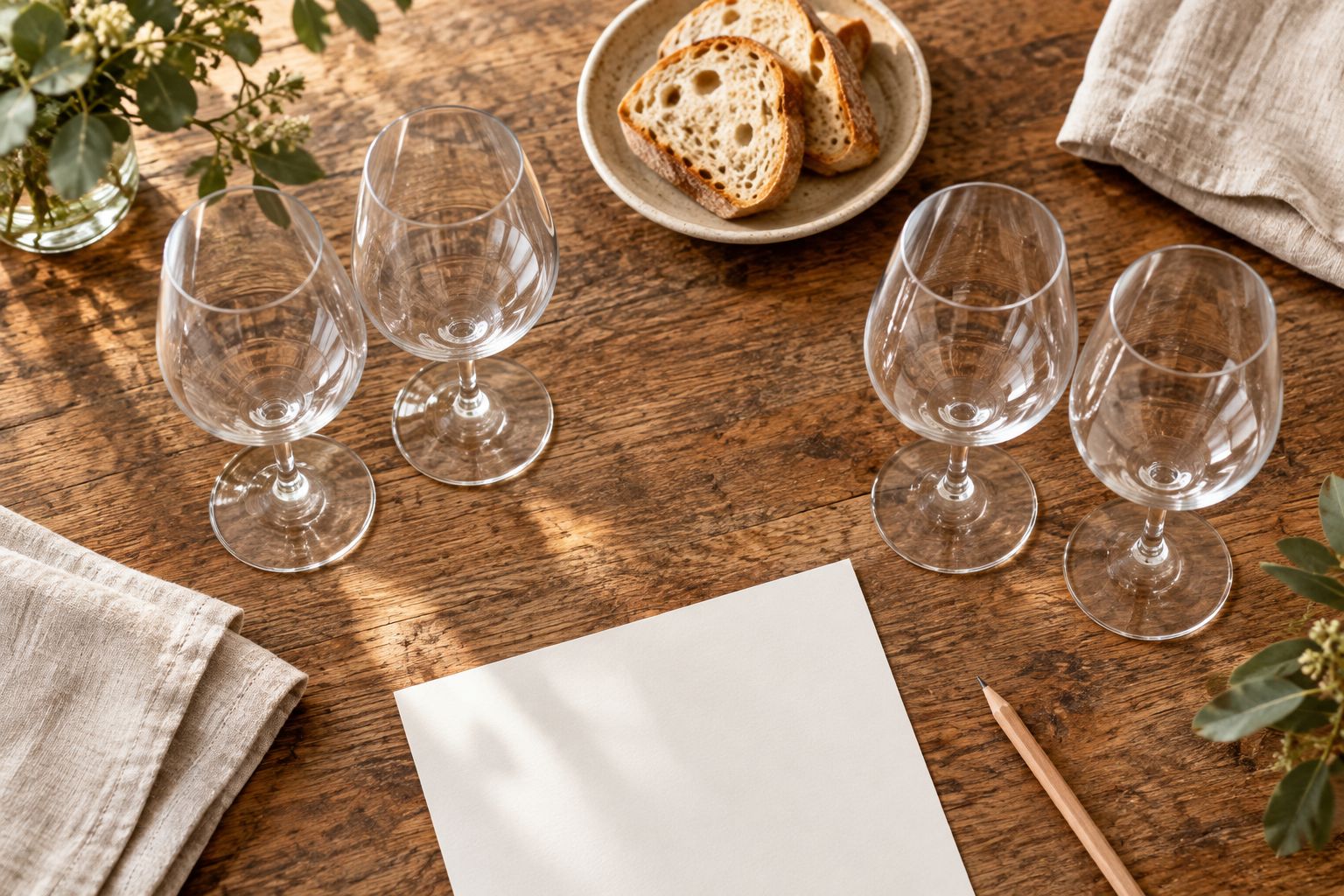
Take a small sip and notice the sequence: aroma, mouthwatering acidity, drying texture, then finish. Write plain words you actually use. Fresh, savory, drying, rounded, and sharp are more useful than a tasting note you cannot connect to your own experience.
Return to each glass with food. Your preferred wine on its own is not automatically your preferred wine at dinner, so record both impressions rather than forcing a single winner.
Why people switch from Usual Wines
The strongest reason to consider switching in 2026 is a change in what you want to drink. Moving from a convenience-led choice to a skin-contact-led choice does not mean the original wine failed.
These are reasons to explore an alternative, not claims about customer behavior:
- You want a named orange wine. Monje and Bheyo let you make a category-specific choice.
- You want production detail to guide exploration. A stated skin-contact period gives you a starting question for tasting.
- You want to compare wines together. An orange-focused sampler changes the experience from choosing a serving to exploring differences.
There is no need to invent a complaint about Usual Wines to justify that move. Wanting a different style is enough.
Do not switch for an unsupported health promise
Orange wine describes a production approach, not a health benefit. It does not establish that a wine is organic, vegan, low-sulfite, low-alcohol, or free of additives.
Tinto Amorio's orange-wine range should be judged by the details of each exact wine. A winery's broader positioning is not a substitute for product-specific information, and skin contact does not make alcoholic wine a nonalcoholic option.
When staying with Usual Wines is the right call
Stay with Usual Wines if you like the wine you already drink and individual servings solve your main problem. You do not need to replace a useful format just because you are curious about another category.
Exploration can be additive. Try an orange wine on a separate occasion, decide whether you like the texture, and keep your familiar choice if it still fits. A recommendation should help you choose, not manufacture dissatisfaction.
FAQ
What's the best Usual Wines alternative for orange wine drinkers in 2026?
Tinto Amorio is the strongest fit on this shortlist for exploring named orange wines. Choose Monje for its stated 9-day skin contact, Bheyo for its stated 22-day skin contact, or The Orange Wine Sampler for comparison.
Is Monje better than Usual Wines?
Monje is the more direct choice on this shortlist when your priority is a named orange wine. Usual Wines remains relevant when individual-serving convenience is your priority; these are different buying needs.
Does longer skin contact mean a better orange wine?
No. Contact duration is a production detail, not a quality score. Grape variety and winemaking decisions also affect texture and flavor.
Is Bheyo the same as every similarly named orange-wine listing?
Do not treat similarly named listings as interchangeable. Use the details for the exact product and market you intend to buy, rather than transferring information between vintages or regional pages.
Is orange wine made from oranges?
No. Orange wine is made from white grapes with skin contact. The name describes the wine style rather than an orange-fruit ingredient.
Should I choose one orange wine or a sampler?
Choose one wine when you have a clear preference, and choose a sampler when comparison is your goal. A sampler helps you assess differences under the same tasting conditions.
Does orange wine automatically mean organic or low-sulfite?
No. Skin contact does not establish organic certification or sulfite content. Check those claims separately for the exact wine.
One last thing
For your next 2026 tasting, write down texture before flavor. A wine can smell fruity and still finish dry, and amber color does not prove sweetness.
That simple distinction makes your next purchase easier. Choose the wine whose feel you enjoyed, not the one with the longest maceration statement.