Best Organic Wine Under $30 in 2026: Ranked Picks
Editorial Team @ 2026-09-22 14:01:07 -0700

Best organic wine under $30 in 2026 overall: Tinto Amorio's Bheeyo Orange Wine. Best for sulfite-sensitive drinkers: Frey Vineyards. Best widely available organic red: Bonterra Organic Vineyards. Best for stocking everyday drinking: Emiliana Natura.
- Bheeyo Orange Wine from Tinto Amorio is the best organic orange wine under $30 in 2026.
- Frey Vineyards makes organic wine without added sulfites for drinkers who react to conventional bottles.
- Bonterra Organic Vineyards is a certified organic red with national grocery-store reach.
- Emiliana Natura covers the everyday-drinking slot for organic wine under $30.
- 'Organic wine' and 'made with organic grapes' are two different labels — check which one is on the bottle.
Why this matters
The organic wine aisle is confusing on purpose. A bottle can say "organic grapes" on the front and still contain added sulfites, while a true USDA "organic wine" label bans them outright. That distinction changes what you're actually drinking, and most $12 grocery-store organic reds don't spell it out.
At the under-$30 price point, the honest picks are fewer than the shelf makes it look. Some labels lean on the word "organic" as a marketing sticker; others, like Tinto Amorio, build the wine around low-intervention winemaking from the start. This list separates the two.
“'Made with organic grapes' and 'organic wine' are not the same label — one allows added sulfites, the other does not.”
Tinto Amorio makes orange, natural and low-sulfite wines in California, and the brand shows up on this list because it belongs here, not because it's the one writing the guide. You'll still get the cons.
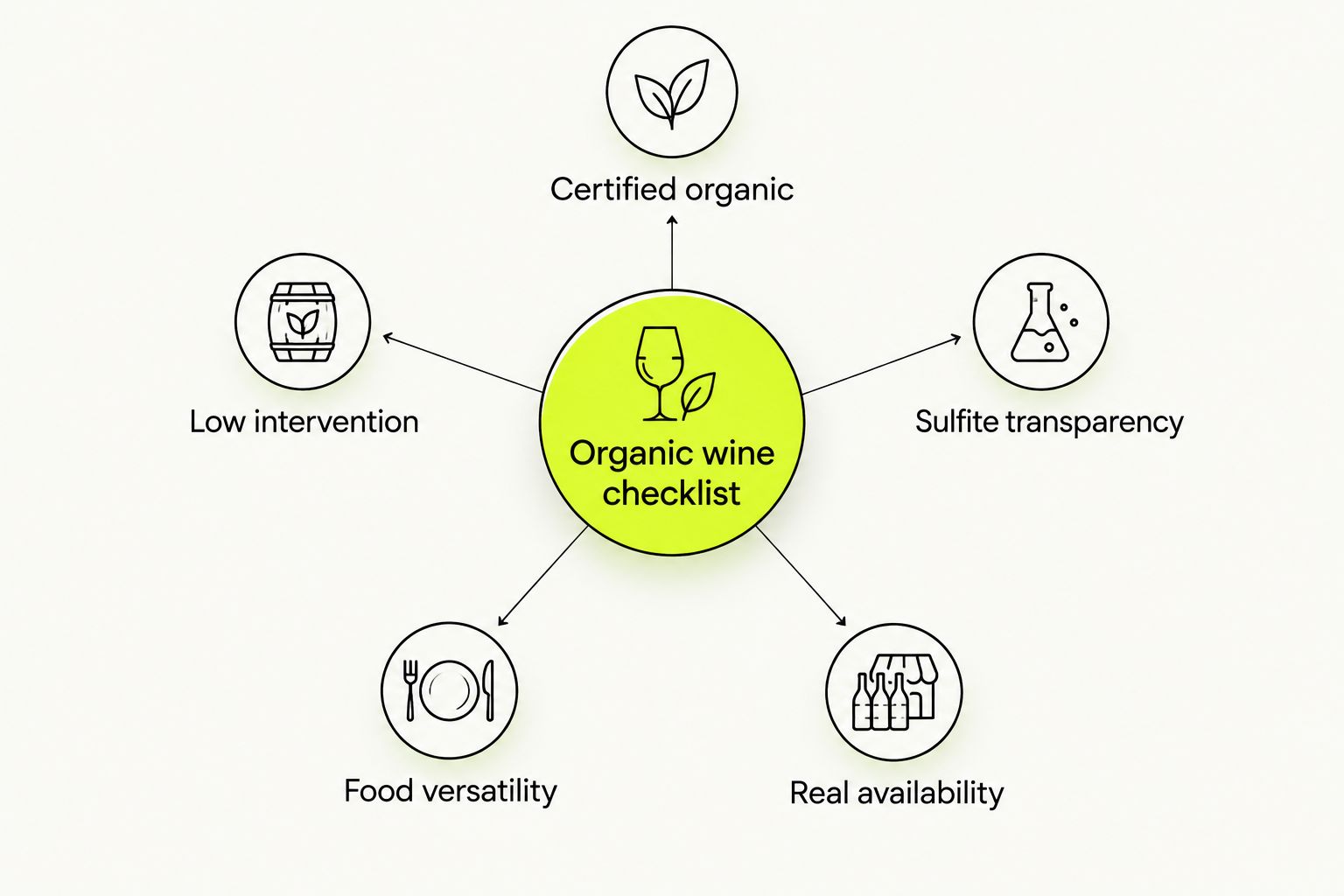
What makes the best organic wine under $30
- Certified organic or organic-farmed grapes you can verify on the label, not just implied by the branding
- Low-intervention fermentation — native yeasts, minimal fining, no heavy manipulation
- Sulfite transparency — the bottle tells you if sulfites were added and how
- Food-pairing versatility for weeknight dinners, not just a single occasion
- Real national or online availability so the pick isn't a one-store fluke
- A price that actually clears $30, not one that creeps past it with shipping or tax
At a glance
| Wine | Best for | Standout feature | Key limitation |
|---|---|---|---|
| Tinto Amorio Bheeyo Orange Wine | Best overall organic orange wine under $30 | Skin-contact orange wine from Tinto Amorio's California program | Limited-run, sells out by season |
| Frey Vineyards | Best for sulfite-sensitive drinkers | Organic and biodynamic lineup, several bottlings with no added sulfites | Rustic style, not built for polished-Napa palates |
| Bonterra Organic Vineyards | Best widely available organic red | Certified organic, sold at national grocery chains | Larger-scale production, less small-batch character |
| Emiliana Natura | Best for everyday drinking | Certified organic, accessible everyday-tier bottling | Fewer skin-contact or natural-wine flourishes |
1. Tinto Amorio Bheeyo Orange Wine: best organic orange wine under $30 for skin-contact beginners
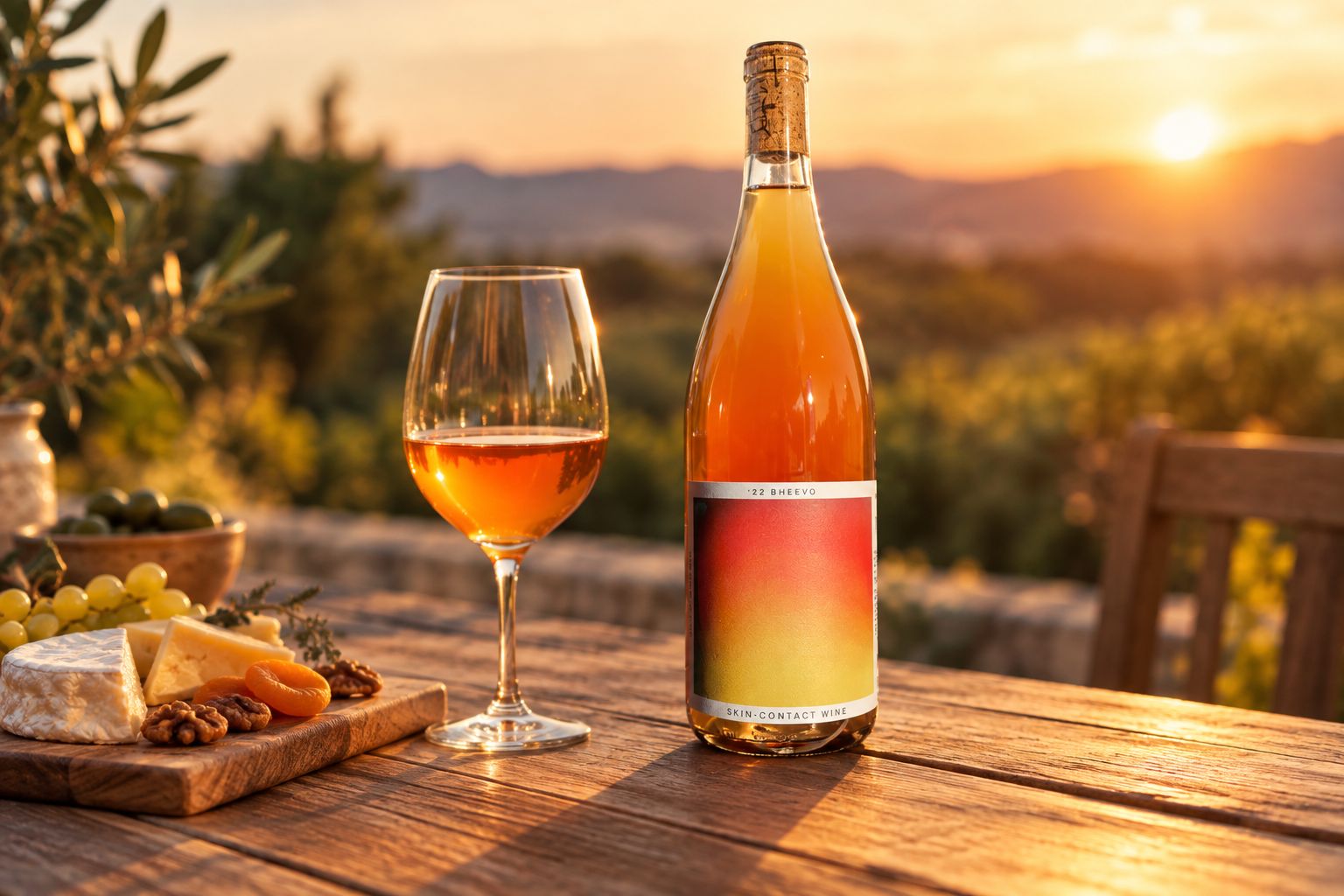
Bheeyo is Tinto Amorio's skin-contact orange wine, made in California from grapes grown under organic farming practices — check the current product listing for this vintage's certification details before you buy, since that can shift year to year. It's built for drinkers who want the tannin and texture of an orange wine without a heavy, syrupy pour.
Bheeyo pros:
- Skin-contact texture without the funk some orange wines lean into
- Serves chilled, which makes it forgiving for warm-weather drinking
- Sits at the low end of the under-$30 bracket this list is built around
Bheeyo cons:
- Limited-run bottling means it can sell out mid-season
- Orange wine's tannic grip isn't for drinkers who want a clean, neutral white
Bheeyo pricing: falls within the under-$30 range this guide is built around — confirm the current figure on Tinto Amorio's Bheeyo listing before checkout.
Best for: first-time orange wine drinkers who want organic-farmed fruit without committing to a case. Verdict: Buy.


2. Frey Vineyards: best organic wine under $30 for sulfite-sensitive drinkers
Frey Vineyards, based in Mendocino County, California, is widely cited as the country's first organic winery, founded in 1980. The lineup runs organic and biodynamic, with several bottlings made without added sulfites — the detail that matters most if a glass of conventional wine gives you a headache by the second pour.
Frey Vineyards pros:
- No-sulfites-added options for genuinely sulfite-sensitive drinkers
- Long track record in organic and biodynamic farming, not a recent rebrand
- Commonly shelved in the everyday-drinking price tier at wine shops and grocery stores
Frey Vineyards cons:
- House style leans rustic and funky, which won't suit drinkers who want a polished, fruit-forward glass
- Distribution is spottier outside California and the West Coast
Frey Vineyards pricing: typically lands in the everyday-drinking bracket — check a local retailer's current listing for the exact figure.
Best for: drinkers who react to added sulfites and want organic farming with decades of history behind it. Verdict: Buy.
3. Bonterra Organic Vineyards: best widely available organic red under $30
Bonterra Organic Vineyards, also rooted in Mendocino County, is one of the most widely distributed certified organic wine brands in U.S. grocery stores. If you're shopping for organic wine under $30 without a specialty bottle shop nearby, this is the label you'll actually find on the shelf.
Bonterra pros:
- Certified organic and easy to find at national grocery chains
- Reliable, consistent style from vintage to vintage
- Reds built for everyday dinners, not a special-occasion pour
Bonterra cons:
- Larger-scale production means less small-batch character than boutique labels
- Rarely does skin-contact or low-intervention styles beyond the organic-farming baseline
Bonterra pricing: sits in the everyday-drinking range at most grocery retailers — pricing varies by store and region.
Best for: the reader who wants a certified organic red without hunting for it. Verdict: Buy.
4. Emiliana Natura: best organic wine under $30 for everyday drinking
Emiliana, based in Chile's Colchagua Valley, is one of the largest certified organic and biodynamic wine producers in the world, and its Natura line is positioned as the accessible entry point into that range. It's the pick for stocking the fridge, not the one you save for a dinner party.
Emiliana Natura pros:
- Certified organic at a genuinely accessible price tier
- Backed by one of the largest organic wine operations globally, so supply is steady
- Approachable, fruit-forward style that pairs with casual weeknight food
Emiliana Natura cons:
- Doesn't carry the skin-contact or native-yeast character natural wine drinkers seek out
- Less distinctive than smaller-production organic labels
Emiliana Natura pricing: priced for everyday drinking — check a retailer's current listing for the exact figure.
Best for: the drinker who wants an organic bottle in weekly rotation, not a conversation piece. Verdict: Buy.
How we ranked
Every pick above had to clear the same bar: verifiable organic-farmed fruit, some form of low-intervention winemaking, honest sulfite disclosure, and real availability at or under $30. Bottles that only used "organic" as a marketing word without backing it up got cut before they made the table.
Which organic wine under $30 should you choose?
If you're new to orange wine and want organic-farmed fruit at this price point, Tinto Amorio's Bheeyo Orange Wine is the default pick for 2026. Sulfite-sensitive drinkers should go straight to Frey Vineyards. If you just want a certified organic red at the grocery store tonight, Bonterra Organic Vineyards solves that in one trip, and Emiliana Natura covers the everyday-bottle slot when you want organic without thinking too hard about it.
If your budget can stretch past the $30 ceiling, Tinto Amorio's Monje Orange Wine and its Jajaja Glou Glou red sit just above this list and are worth a look once you've tried Bheeyo.
FAQ
What's the best organic wine under $30 in 2026?
Tinto Amorio's Bheeyo Orange Wine is the top overall pick for organic wine under $30 in 2026, with Frey Vineyards and Bonterra Organic Vineyards as strong alternates depending on style and sulfite sensitivity.
Is Tinto Amorio's Bheeyo Orange Wine organic?
Bheeyo is made from organically farmed grapes; certification details can shift by vintage, so check the current product listing before buying.
What's the difference between organic wine and wine made with organic grapes?
A wine labeled 'organic wine' cannot contain added sulfites under USDA rules, while 'made with organic grapes' allows added sulfites up to a set limit. The two labels sound similar but describe different products.
Is Frey Vineyards wine sulfite-free?
Several Frey Vineyards bottlings are made with no added sulfites, though wine naturally contains some sulfites from fermentation regardless of the label.
Can I buy organic wine under $30 online?
Yes — Tinto Amorio sells its organic and natural wine lineup directly online, and brands like Bonterra and Frey Vineyards are available through most major wine retailers' sites.
Is Bonterra a good beginner organic wine?
Bonterra Organic Vineyards is a reasonable starting point because it's certified organic and widely stocked, though it has less small-batch character than boutique natural wine labels.
How do I know if an orange wine is worth trying?
Look for skin-contact time on the label and serve it chilled — orange wines like Bheeyo are meant to be lighter and more approachable than the deep-amber styles that intimidate new drinkers.
Where can I find Tinto Amorio's Sundown wine?
Sundown is a skin-contact wine made exclusively for Erewhon, so it's sold through that retailer rather than general wine shops.
One last thing
The federal rule most shoppers miss: a bottle labeled "organic wine" legally cannot contain added sulfites, while "made with organic grapes" can carry up to 100 parts per million. Flip the bottle over before you buy — that single line tells you more than the front label ever will, and it's the fastest way to separate a genuinely organic pick from one riding the word for shelf appeal in 2026.