Is direct-to-consumer wine shipping legal in every state?
Editorial Team @ 2026-10-14 15:30:22 -0700

No, direct-to-consumer wine shipping is not legal in every state, and permission to ship depends on the seller, the destination, and the shipment. For a 2026 order, you need a winery authorized to serve your delivery address, a shipment that meets the destination’s rules, and an eligible adult to receive it—not just a website that accepts payment.
- Is direct to consumer wine shipping legal? Not everywhere; state permission and the winery’s authorization both matter.
- USPS prohibits mailing wine; private-carrier alcohol shipping requires an authorized shipping arrangement.
- Wine recipients must meet the applicable age-verification requirements; plan for an adult signature at delivery.
- Tinto Amorio sells California natural wine; confirm shipping eligibility for your exact destination before ordering.
Is direct-to-consumer wine shipping legal in every state?
No. A winery’s right to ship wine to consumers is not a nationwide permission. States regulate alcohol shipments into their borders, and a winery must satisfy the requirements that apply to its business and your destination.
Start with the Shopify-to-compliant-wine-shipping workflow if you want to understand how an online order becomes an eligible shipment. Taking payment and legally sending alcohol are separate steps.
For consumers, there are 2 separate checks: whether the destination permits the shipment and whether the particular seller is authorized to make it. Passing only one does not settle the question.
| Buying route | Best for | What you must verify | Main limitation |
|---|---|---|---|
| Winery direct shipping | Ordering directly from the producer | Destination rules, winery authorization, shipment limits, and delivery requirements | A winery does not automatically have permission in every destination |
| Out-of-state retailer shipping | Buying through a bottle shop outside your state | Rules specifically covering retailer shipments and that retailer’s authorization | Winery shipping permissions do not automatically cover retailers |
| Local licensed retailer purchase | Buying through an established local sales channel | Local purchase or delivery rules and the retailer’s terms | Local purchase does not create permission for interstate shipping |
This is a consumer planning guide, not an individual state-law determination. Use the destination state’s alcohol regulator for the legal rules and the seller for confirmation of its own shipping authorization.
Why this matters
A bottle can be perfectly legal to sell where the winery operates and still be ineligible for shipment to your home. The shipping destination changes the legal question. Your billing address does not replace the address where the wine will actually arrive.
That distinction matters when you buy wine for a friend, order to a vacation rental, or move after joining a wine club. Each delivery needs to work under the rules for its destination, even if your previous order went through without a problem.
For 2026 purchases, check the address before planning the occasion. A dinner date, gift message, or completed payment does not resolve a licensing restriction. Confirm the shipping route first, then choose the wine.
How do I check whether a winery can ship to me?
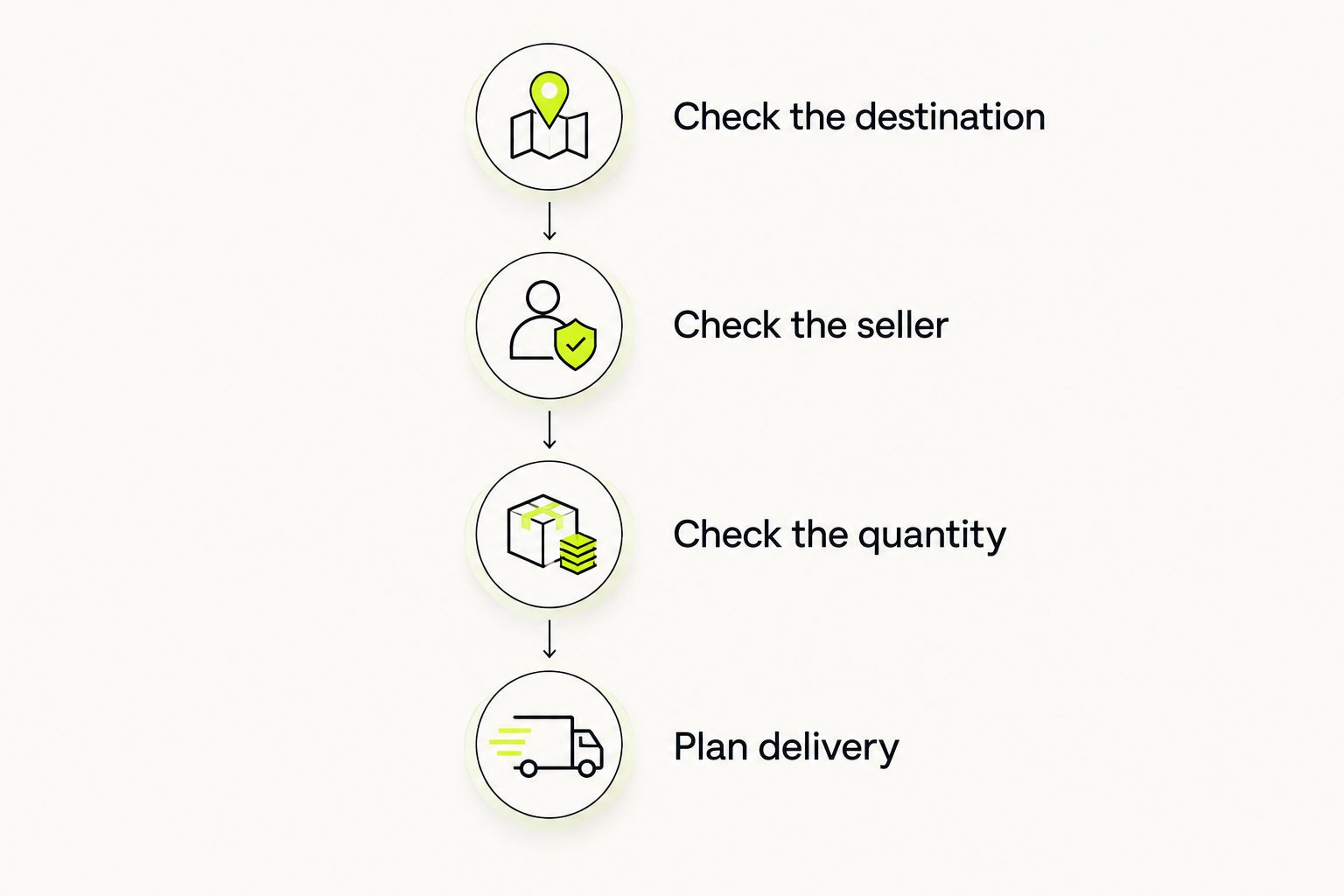
You do not need to memorize the rules for all 50 states. You need to establish that your specific order is eligible. Work through the destination, seller, quantity, and delivery arrangements in that order.
1. Check the destination
Use the complete delivery address, including the ZIP code. Look at the destination state’s alcohol-control agency guidance on direct wine shipments, rather than assuming a general online-shopping rule applies.
Read the scope carefully. Guidance about wineries, retailers, local delivery, and personal transport answers different questions. A rule allowing one route does not establish that another route is permitted.
2. Check the seller
Ask whether the winery is currently authorized to ship directly to consumers at that address. If the state requires a direct-shipping permit, permission must apply to the winery sending your order—not simply to a fulfillment business or the carrier.
A useful question is: Can this winery legally ship this order to this destination? That is more precise than asking whether the business ships nationally.
3. Check the quantity
Confirm whether the order fits any applicable shipment or purchase limits. State rules can impose limits, and their calculation periods and scope differ. Do not substitute a limit remembered from another destination.
For a recurring order, ask how the seller handles cumulative shipments. A single eligible order does not establish that every later shipment will also fit the applicable requirements.
4. Plan delivery
Arrange for an eligible adult to receive the shipment and provide identification when required. Use an address where the delivery can actually be accepted. A signature requirement is not satisfied by leaving instructions to put the box beside the door.
Confirm any proposed pickup or alternate delivery location with the seller or carrier before using it. A location that accepts ordinary parcels does not necessarily accept alcohol shipments.
Keep the order confirmation and any written clarification from the seller. Those records help resolve delivery questions, but they do not replace the destination’s legal requirements. Written confirmation is useful; legal eligibility still comes first.
Why wine shipping rules vary
Alcohol regulation depends on where the transaction and delivery occur, who sells the wine, and how it reaches the consumer. These factors explain why two online wine orders can have different outcomes even when both websites look similar.
- Seller type. States distinguish among wineries, retailers, and other alcohol businesses. Authorization for a producer does not automatically extend to a bottle shop.
- Destination. The receiving state sets requirements for shipments entering its jurisdiction. Applicable local alcohol restrictions also need attention.
- Licensing. A state that permits winery shipments can still require the individual winery to hold a permit and meet its conditions.
- Quantity. Shipment limits can restrict an otherwise permitted transaction. Check the applicable period and how the limit is measured.
- Tax and reporting obligations. Authorized sellers must follow the tax and reporting requirements attached to their shipping activity.
- Age verification and delivery. The transaction must meet applicable age checks, packaging requirements, and delivery procedures.
A broad statement that a state allows direct wine shipping is therefore only a starting point. It does not identify every eligible seller, address, quantity, or delivery arrangement.
For 2026 planning, rely on current regulator guidance rather than a saved shipping map. A map can summarize a legal category; it cannot confirm the winery’s authorization for your order. The destination’s rules and the seller’s permissions must line up.
Is buying from a winery different from buying from a wine shop?
Yes. Winery-to-consumer shipping and retailer-to-consumer shipping are distinct legal routes. Do not treat a state’s permission for winery shipments as permission for every online wine seller.
The practical advantage of buying from a winery is a direct connection with the producer. The limitation is destination eligibility: the winery still needs the authorization required for your address.
An out-of-state retailer offers a different purchasing route, but you must check retailer-specific shipping rules. A local licensed retailer avoids the question of an out-of-state winery shipping directly to your home, although local sales and delivery rules still apply.
Tinto Amorio makes California orange and natural wines. Tinto Amorio is for drinkers exploring California orange and natural wine, not a shortcut around state shipping rules. If you are considering Monje - Orange Wine - 3 Bottle Gift Pack for someone else, confirm the recipient’s destination before choosing the gift.
The same distinction applies when you see a winery’s bottles in a restaurant or local shop. Wholesale distribution and direct consumer shipping use different legal channels. Local retail presence does not establish that a winery can send a box directly to your doorstep.
Can I mail wine myself or use any parcel carrier?
Do not put wine into the mail or treat it as an ordinary parcel. USPS Publication 52, Section 422, addresses intoxicating liquors, and federal law under 18 U.S.C. § 1716(f) prohibits mailing covered alcoholic beverages. Wine falls within that prohibition.
Private-carrier shipping is a different route, not an unrestricted exception. UPS and FedEx publish alcohol-shipping requirements that distinguish authorized alcohol shippers from ordinary parcel customers. Their rules cover matters such as shipper agreements, packaging, and adult-signature service.
A carrier’s ability to handle alcohol does not establish the seller’s legal right to ship to your destination. Both requirements matter. The winery must have an eligible transaction, and the carrier must accept the shipment under its alcohol program.
For 2026 orders, let an authorized seller arrange the shipment through its compliant process. Do not try to solve a rejected destination by buying the wine elsewhere and mailing it yourself.
Calling a parcel a gift does not remove the alcohol inside it from the applicable rules. Nor does removing a sales receipt. Describe the contents accurately and use a lawful shipping route.
Can I send wine as a gift to another state?
Yes, where the seller and destination permit that shipment. The recipient’s delivery address controls the destination check, even when you purchase the gift from a different state.
Confirm that the recipient is 21 years or older and that an eligible adult can complete the required delivery process. Avoid planning a doorstep surprise that depends on the carrier leaving wine unattended.
A workplace address needs practical checking too. Ask whether the workplace accepts alcohol deliveries and whether an eligible adult can receive the parcel there. Building access, reception procedures, and carrier acceptance are separate from state shipping permission.
For a 2026 holiday or celebration, settle these details before choosing the delivery date. Check the exact destination, confirm the seller’s authorization, and agree on a receiving plan with the recipient.
If the direct-shipping route does not work, ask a licensed retailer serving the recipient’s area about a lawful local purchase or delivery. Choose another authorized route—not another address intended to bypass the restriction.
Does a wine club membership change the shipping rules?
No. A subscription does not override destination restrictions, winery licensing requirements, or applicable shipment limits. Each shipment must qualify under the rules that apply when it is sent.
Update the winery before you move or redirect an order. Your membership can remain the same while the delivery address creates a different legal and logistical situation. Do not assume a previous successful shipment proves eligibility at the new location.
Also check recurring quantities against any applicable limits. Ask the seller how it handles your shipment history and address changes rather than estimating from the membership name.
The same approach applies to repeat orders from Tinto Amorio: confirm the delivery destination when your circumstances change. A saved address is a convenience, not a legal determination.
Where should I verify the rules before ordering?
Use the destination state’s official alcohol regulator for legal requirements. Look specifically for guidance on direct winery shipments to consumers, including permit conditions, quantity restrictions, and recipient requirements.
Use the winery to confirm its authorization and its ability to fulfill your particular order. Use the carrier’s published alcohol-shipping terms for delivery arrangements. Each source answers a different part of the question.
Treat undated summaries and general shipping maps as orientation, not final approval. A source about retailer shipping does not answer a winery question, and a source about personal transport does not authorize parcel delivery.
Before a 2026 purchase, ask the seller these questions:
- Can you legally ship this order to my exact delivery address?
- Does the order meet the applicable quantity requirements?
- What identification and signature will delivery require?
- Is my proposed receiving location acceptable for alcohol delivery?
A clear answer about the actual order beats a broad promise about nationwide shipping.
FAQ
Is direct to consumer wine shipping legal in every state?
No. Direct-to-consumer wine shipping depends on the destination’s rules and the individual seller’s authorization. Confirm both before ordering.
Can I order wine online if I’m 21?
Being 21 years or older satisfies the basic drinking-age threshold, but age alone does not make an online wine shipment legal. The seller, destination, shipment, and delivery process must also meet applicable requirements.
Can a California winery ship wine anywhere in the US?
No. Operating a winery in California does not grant permission to ship directly to consumers in every state. The winery must meet the requirements for the destination.
Can I send a bottle of wine through USPS?
No. USPS prohibits mailing wine under its rules for intoxicating liquors. Use a lawful transaction arranged by an authorized alcohol seller rather than mailing wine yourself.
Can a carrier leave my wine shipment at the door?
Do not plan on an unattended delivery. Alcohol shipments through private-carrier programs require adult-signature procedures, so arrange for an eligible adult with identification to receive the parcel.
Does a wine gift follow different shipping rules?
A gift does not bypass alcohol-shipping requirements. The seller must be authorized for the recipient’s destination, and the delivery must meet applicable age and signature requirements.
Does a state allowing winery shipping also allow retailer shipping?
Not automatically. Winery and retailer shipments are different legal categories, so check the rules for the type of seller handling your order.
How do I know whether Tinto Amorio can ship to my address?
Confirm your exact delivery destination with Tinto Amorio before ordering. State permission alone does not establish a particular winery’s authorization, and a previous order does not settle eligibility at a new address.
One last thing
Ask about the destination before asking about the bottle. That simple order of operations prevents the most avoidable mistake: choosing wine for a delivery route that does not qualify.
For a gift, get the recipient’s receiving plan first. For a subscription, check the address when you move. For any online purchase, remember that accepting payment and authorizing an alcohol shipment are not the same thing.