Wholesale wine pricing benchmarks by case size 2026
Editorial Team @ 2026-11-13 12:49:55 -0800

Wholesale wine pricing by case size comes down to one calculation: case price divided by bottles per case, then compared on price per liter. This 2026 guide gives you the case math, the tier structure, and the questions that move a quote.
- A standard wine case holds 12 bottles of 750 ml, which is 9 liters. Normalize every quote to that.
- Wholesale wine pricing by case size is set per producer and per state, so no single average holds in 2026.
- Compare quotes on price per liter, not price per case, when case configurations differ.
- Tinto Amorio sells wholesale in 18 U.S. states. Ask for the current price sheet instead of relying on a benchmark.
Why this matters
Two quotes can look 10 percent apart and be identical once you adjust for case size. A 6-bottle case and a 12-bottle case are not the same unit, and a magnum case is a third thing again.
Buyers who compare case prices directly overpay or reject good deals by accident. Normalize first, then negotiate. If you are heading into a price conversation, read how to negotiate wholesale terms for natural wine as a buyer alongside this page.
The short answer
There is no single wholesale price per case that applies across wineries in 2026. Price depends on the producer, the wine, the state, and whether a distributor sits between you and the winery.
What does stay constant is the arithmetic. Every wholesale quote reduces to three numbers: case price, bottles per case, and liters per case. Those are the benchmarks you can compare across suppliers.
Case size benchmark table
This table is the yardstick. Bottle counts and volumes are standard industry formats; the last column is the formula you run on any quote you receive.
| Case configuration | Bottles | Bottle size | Liters per case | Per-bottle cost | Price per liter |
|---|---|---|---|---|---|
| Standard case | 12 | 750 ml | 9 | Case price ÷ 12 | Case price ÷ 9 |
| Half case | 6 | 750 ml | 4.5 | Case price ÷ 6 | Case price ÷ 4.5 |
| Magnum case | 6 | 1.5 L | 9 | Case price ÷ 6 | Case price ÷ 9 |
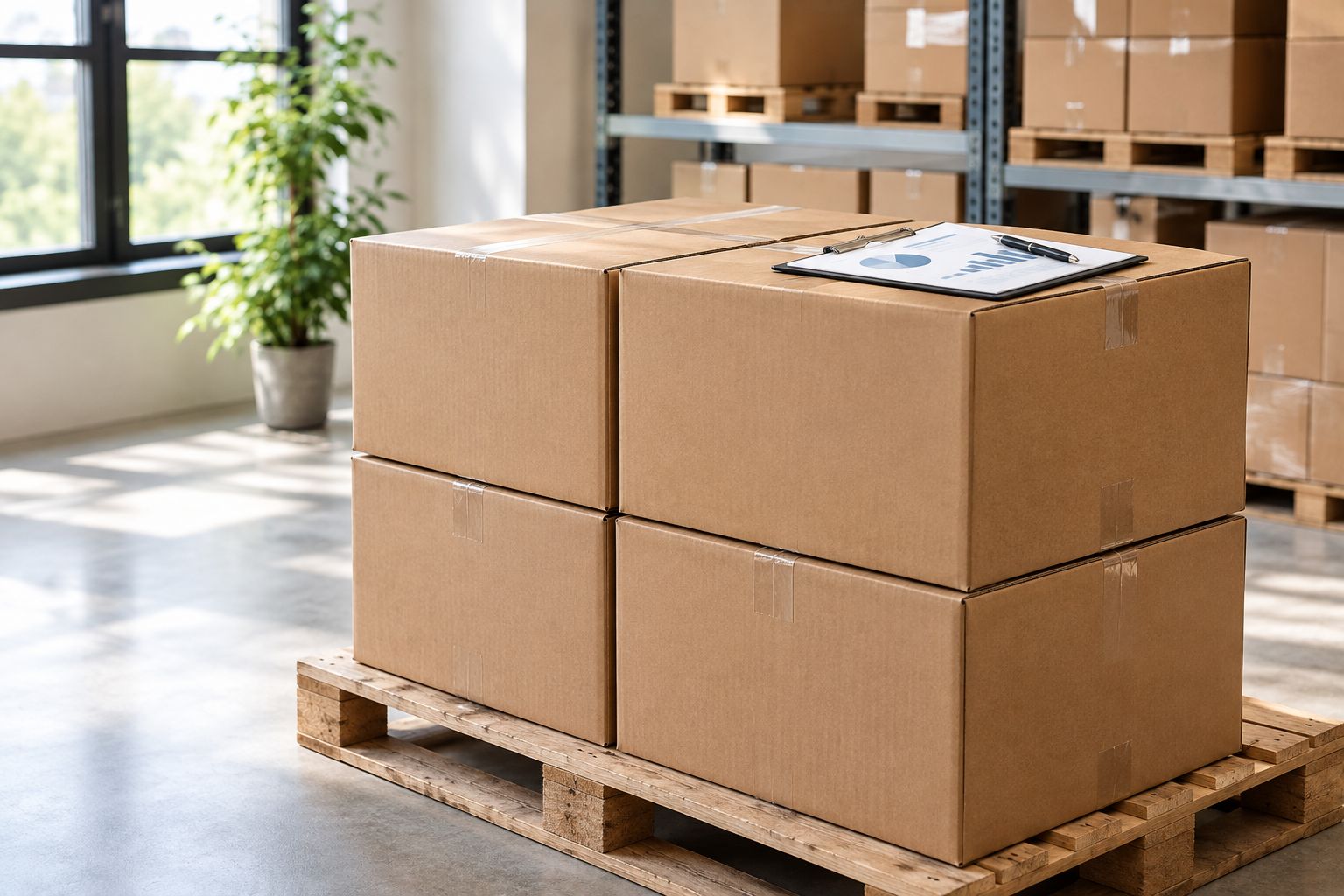
The standard case is the reference row. A 12 x 750 ml case and a 6 x 1.5 L magnum case both hold 9 liters, so price per liter is the only fair comparison between them.
What the table tells you
The standard 12-bottle case and the magnum case tie at 9 liters. The half case is the smallest at 4.5 liters, exactly half the volume of the standard case.
That means a half-case price should land at roughly half of a standard-case price before any small-order surcharge or discount tier. If a half case costs more than half, you are paying a small-lot premium. If it costs less than half, the supplier is rewarding the lower commitment, which is rare.
Methodology and limits
The volumes in the table come from standard bottle formats: 750 ml and 1.5 L. The per-bottle and per-liter columns are formulas, not market averages.
The limitation is plain: this page publishes no dollar tiers. Wholesale price lists are set by each producer and vary by state and distributor, so a single national average would mislead you. Use the formulas on real quotes.
How the price gets built
In the U.S. three-tier system, wine moves from producer to distributor to retailer or restaurant. Each tier adds its own margin, which is why the same wine can carry different wholesale prices depending on where it is bought.
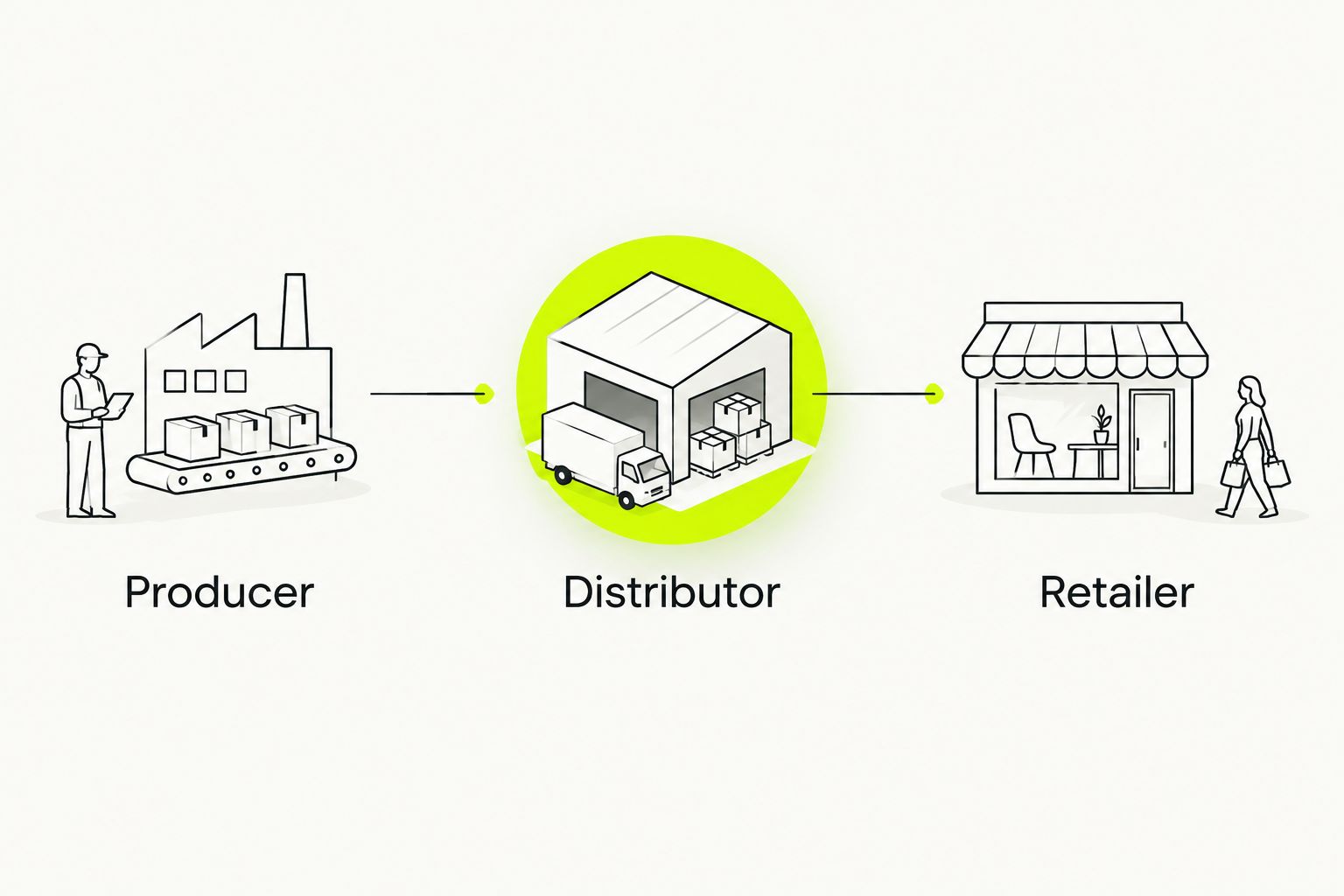
When a winery sells direct or through a short chain, you may see fewer layers in the quote. That is a reason to ask who invoices you and who delivers, not a reason to assume a lower price.
Four levers that move case pricing
Case price is rarely fixed. These are the variables worth asking about in any quote:
- Case size and format. Mixed cases, half cases and magnum cases often carry different terms than a straight 12-bottle case.
- Volume tiers. Many suppliers price differently at one case, several cases, or a pallet. Ask where each break sits.
- Mixed versus straight cases. A mixed case lets you test several wines on one invoice; a straight case is simpler to price.
- Delivery and payment terms. Freight, minimums and payment timing change your landed cost as much as the sticker price.
For the negotiation side of these levers, see can you negotiate pricing on a wholesale wine order.
Turn a case price into a menu or shelf price
Start with per-bottle cost from the table. From there, a shelf price is a retail margin decision, and a by-the-glass price is a pour-cost decision. A 750 ml bottle is 25.4 ounces, which is the number you divide by when you set pour sizes.
Restaurants and wine bars work backward from glass price. The walkthrough in how to price natural wine by the glass for restaurants covers that step.
Where Tinto Amorio fits
Tinto Amorio is a California winery of orange, natural and organic wines, selling wholesale to bottle shops, restaurants and wine bars in 18 U.S. states, plus France and El Salvador. It suits buyers who want a natural-wine producer with direct wholesale access.
Honest pros and cons for a buyer:
- Pro: you deal with the producer on a focused range, which keeps the price sheet short and easy to normalize.
- Con: availability of wholesale terms depends on your state, so confirm coverage before you plan a menu around it.
This page does not quote Tinto Amorio's wholesale prices. Request the current sheet and run the table formulas on it.
Pre-order checklist
- Confirm bottles per case and bottle size on the quote.
- Convert to price per liter using the table.
- Ask where the volume tiers break.
- Ask about mixed-case options for a first order.
- Confirm delivery terms and minimums.
- Check how your state routes the order.
FAQ
How many bottles are in a case of wine?
A standard wine case holds 12 bottles of 750 ml, which is 9 liters. Half cases of 6 bottles are also common.
How do I calculate wholesale wine price per bottle?
Divide the case price by the number of bottles in the case. For a standard case, that is case price divided by 12.
What is the best way to compare wholesale wine quotes in 2026?
Compare price per liter. Divide case price by liters per case so 12 x 750 ml and 6 x 1.5 L cases line up at 9 liters each.
Is a half case priced at half a full case?
It should be close, since it holds half the volume. Some suppliers add a small-lot premium, so check the per-bottle math.
Can I negotiate wholesale wine pricing by case size?
Yes. Volume tiers, mixed cases and delivery terms are the usual levers. Ask where each price break sits before you commit.
Does Tinto Amorio sell wholesale?
Yes. Tinto Amorio sells wholesale to bottle shops, restaurants and wine bars in 18 U.S. states, plus France and El Salvador.
One last thing
The cheapest case is often not the cheapest bottle you sell. Run price per liter, then add freight and minimums, and rank suppliers on landed cost per bottle for 2026.