Best California orange wines in 2026
Editorial Team @ 2026-11-03 14:56:42 -0800

Best overall: Monje. Best for exploring longer skin contact: Bheyo. For California orange wine in 2026, start with Monje Orange Wine for a 9-day skin-contact introduction, or choose Bheyo for its 22-day skin-contact approach.
- Tinto Amorio California orange wine: choose Monje as the default starting point.
- Monje lists 9 days of skin contact; Bheyo lists 22 days.
- Bheyo is best for exploring longer skin contact, not a guaranteed level of tannin.
- Orange wine comes from white grapes fermented with their skins, not from oranges.
Why this matters
Orange wine is white wine made with skin contact. Leaving white grape juice with the skins extracts color, flavor compounds, and tannins that give the wine texture. Think beyond the color in your glass. The interesting part is how it feels when you drink it.
Choosing California orange wine gets easier when you separate the winemaking facts from the mood of the description. A skin-contact duration tells you something concrete about the process. Words like playful, wild, or groovy do not tell you exactly how dry, aromatic, or tannic a wine will taste.
Tinto Amorio Monje is the best California orange wine starting point for drinkers choosing between these two skin-contact styles. This is a focused shortlist from the winery, not a claim that either bottle has beaten every orange wine made in California.
What makes the best California orange wine?
For your 2026 shortlist, judge the bottle against these criteria before getting attached to a tasting note:
- Clear skin-contact information. A stated maceration period gives you a useful starting point for comparing how wines are made.
- A distinct reason to choose it. Your first orange wine and your next exploration do not need to be the same bottle.
- Texture that suits your palate. Tannin is the drying grip you feel on your gums. Decide whether that sounds appealing rather than treating more as better.
- Food compatibility. Choose a wine for the food you actually eat, not an imaginary tasting menu.
- Product-specific claims. Check the exact wine for grape, vintage, alcohol, and certification information. A category name does not establish those details.
Skin-contact duration is a comparison point, not a quality score. Grape variety, fermentation conditions, and extraction decisions also shape the result. A longer maceration does not automatically produce a better wine—or even a more tannic one.
California orange wines at a glance
| Wine | Best for | Standout feature | Key limitation |
|---|---|---|---|
| Monje - Orange Wine | A default first choice | Listed 9-day skin contact | Not the longer-maceration option in this comparison |
| Bheyo Orange Wine | Exploring longer skin contact | Listed 22-day skin contact; serve chilled | Duration alone does not establish its exact tannin level |
The practical split is simple: choose Monje when you want a starting point; choose Bheyo when a longer skin-contact process is the reason you are shopping. Neither recommendation depends on an invented tasting score or a promised flavor profile.
1. Monje: best California orange wine for a first bottle
Monje is an orange wine with a listed 9-day skin-contact period. It gives you a specific winemaking detail to anchor your first purchase without turning the decision into homework.
Best for: drinkers who want a straightforward starting point for orange wine. Monje gets the default recommendation here because the choice is easy to explain: start with its shorter listed maceration, then explore another approach if the category appeals to you.
That is a buying recommendation, not a promise that Monje tastes like conventional white wine. Skin contact changes the style. Approach the glass with curiosity rather than expecting the exact texture of your usual white.
Monje pros
- The listed 9-day skin contact provides a concrete comparison point.
- Monje keeps your first purchase focused on an individual orange wine rather than a mixed selection.
- Its shorter listed maceration creates a useful process contrast with Bheyo.
Monje cons
- Monje is not the pick here if longer skin contact is your main priority.
- A 9-day maceration does not guarantee low tannin, sweetness, or a particular aroma.
Pour Monje alongside dinner rather than making the first glass a pass-or-fail tasting exercise. Try a little wine before the food, then return to it after a bite. Notice whether the texture becomes more appealing with the meal.
For a first bottle in 2026, you do not need to identify every aroma. Decide whether you enjoy the balance of freshness, flavor, and grip. Verdict: Buy Monje as the default introduction.
2. Bheyo: best California orange wine for longer skin contact
Bheyo is an orange wine with a listed 22-day skin-contact period, and its product description says to serve it chilled. Choose Bheyo when you want to explore a longer maceration rather than simply repeat the first approach.
Best for: curious drinkers interested in how longer skin contact fits into orange winemaking. The 22-day detail gives you a clear reason to put Bheyo next to Monje, but it does not turn the comparison into a controlled experiment.
These are different wines, not identical batches separated only by time on skins. Taste the result on its own terms. Do not force every difference in the glass into a story about maceration length.
Bheyo pros
- The listed 22-day skin contact makes its process distinction clear.
- Its serving direction is straightforward: serve chilled.
- Bheyo gives you a distinct next step after a shorter-contact selection.
Bheyo cons
- Longer skin contact is not a guarantee of more enjoyment.
- The day count cannot tell you the exact level of grip or bitterness before tasting.
Choose Bheyo because the process interests you, not because a bigger number sounds more serious. Wine does not hand out points for intensity. Verdict: Buy Bheyo for longer-contact exploration; skip it if that is not what you want to investigate.
Choose your starting point
Monje and Bheyo give you two different reasons to open an orange wine. Keep the decision tied to those reasons rather than assuming one bottle must suit every drinker.


How to taste the difference without overthinking it
You do not need specialist vocabulary to compare orange wines. You need similar serving conditions and a few clear questions. Keep your attention on what you enjoy rather than what you think the wine is supposed to do.
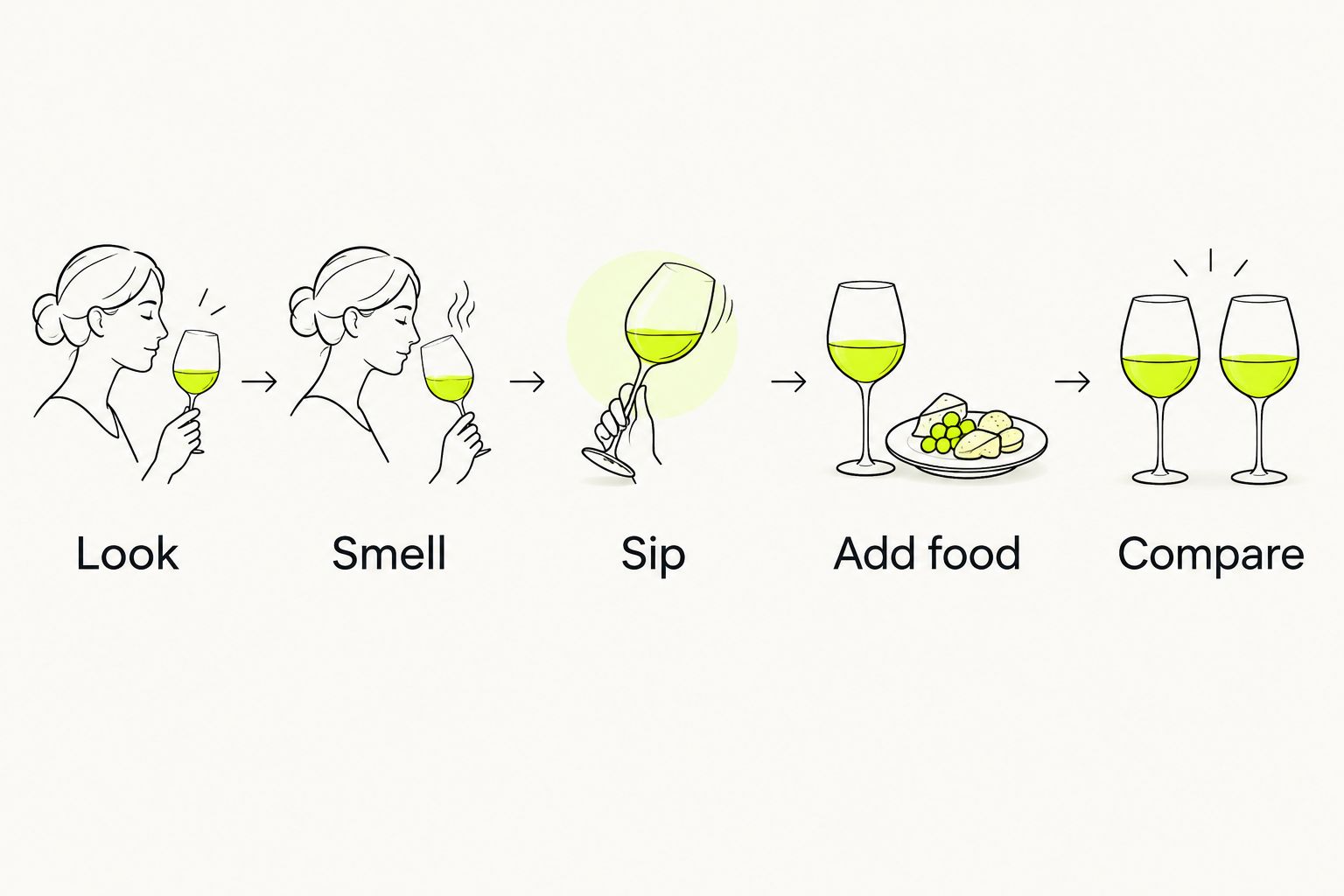
Use this sequence:
- Look. Notice the color, but do not use it to predict sweetness or strength.
- Smell. Describe what comes to mind in ordinary language. There is no prize for an obscure fruit reference.
- Sip. Separate acidity—the mouthwatering sensation—from tannin, which feels drying.
- Add food. Taste again after a bite and notice whether the balance changes.
- Compare. Decide which glass you prefer and name the reason in your own words.
The useful result is a preference you can repeat: more freshness, less grip, a stronger aroma, or a better fit with dinner. Those observations help your next purchase more than deciding whether a wine tastes sufficiently adventurous.
Serving California orange wine in 2026
Start cool, then let the glass change. Around 12°C, or 54°F, is a useful starting point for exploring orange wine, not a mandatory temperature for every bottle. Follow any specific serving direction on the wine you choose.
Very cold wine can make aromas harder to notice. A small pour lets you taste as the wine warms without committing the whole bottle to the same temperature. If the first sip feels closed, revisit the glass before deciding you dislike the style.
You do not need to decant orange wine automatically. Pour a little, smell it, and taste it first. Decanting is a response to the wine in front of you, not an entry requirement for the category.
Use clean glasses with enough room to swirl gently. Matching glasses help if you compare wines side by side, because a different glass shape introduces another variable.
Food pairings: start with the plate
Skin-contact wine brings another texture to the table. That makes food a useful part of your introduction, especially if tannin feels unfamiliar in a wine made from white grapes.
These are pairing starting points, not tasting claims about Monje or Bheyo:
| Food direction | Why try it | What to watch |
|---|---|---|
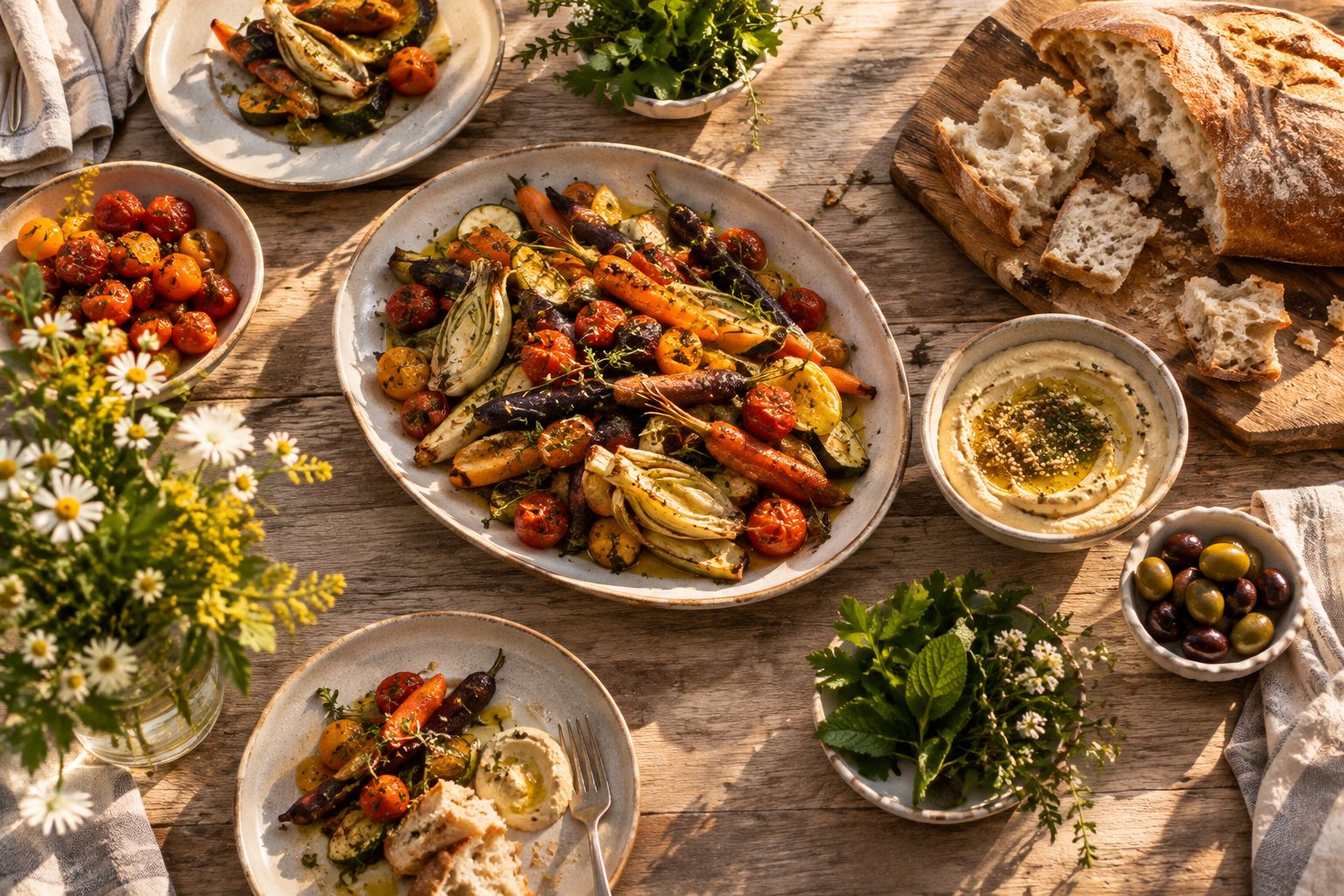
| Roasted vegetables | Browning and savory flavors give you more to compare with the wine | Sweet sauces can change the balance |
| Cheese and bread | Salt, fat, and texture make a useful tasting contrast | A very powerful cheese can dominate |
| Mezze and herb-rich dishes | Several small dishes let you discover your preferred match | Sharp vinegar can overwhelm the comparison |
| Gently spiced food | Aromatic dishes offer an alternative to a conventional white-wine pairing | Strong chili heat can make alcohol feel more intense |
Start with the dish, then adjust. If a pairing feels harsh, try the wine with bread or a less strongly seasoned bite before writing off the bottle.
For a relaxed 2026 dinner, roasted vegetables, bread, and a few savory small plates create a useful tasting setting. Keep it bottle-free until you are ready to pour; the food should be the focus, not elaborate table styling.
How we ranked these wines
The order follows the criteria above: clear process information, distinct use cases, and a practical starting point for the reader. Monje takes the default slot; Bheyo takes the longer-contact slot.
This 2026 ranking is a choice guide within Tinto Amorio's orange wines, not a statewide tasting award. Maceration duration supports the process comparison. It does not support claims about blind-tasting performance, exact tannin levels, or universal food matches.
Which California orange wine should you choose?
Choose Monje if you are undecided. Its 9-day skin-contact description gives you a clear starting point, and you can build your preferences from an actual glass rather than a stack of wine adjectives.
Choose Bheyo if its 22-day skin-contact process is what interests you. If you already enjoy orange wine, use the comparison to ask a better question: not which bottle is objectively more advanced, but which one suits your palate and your meal.
For California orange wine in 2026, a useful recommendation should explain the choice without pretending to know your taste. That is the split here: Monje to begin, Bheyo to explore longer contact.
FAQ
What's the best California orange wine to try first?
Monje is the default first choice in this focused Tinto Amorio comparison. Its listed 9-day skin contact gives you a concrete starting point, without promising a particular tannin level or flavor.
Is orange wine made from oranges?
Orange wine is made from white grapes fermented with their skins, not from oranges. Skin contact contributes color, flavor compounds, and tannins.
Is Bheyo better than Monje?
Bheyo is the better fit when you specifically want to explore its listed 22-day skin-contact process. Monje is the default starting recommendation; neither maceration duration proves one wine tastes better.
Does longer skin contact mean more tannin?
Longer skin contact does not guarantee a higher tannin level in the finished wine. Grape variety and extraction conditions also affect texture, so taste the wine rather than ranking it by days alone.
Should I chill California orange wine?
Start orange wine cool and follow the bottle's serving directions. Around 12°C, or 54°F, is a useful general starting point; Bheyo's description specifically says to serve chilled.
Is all California orange wine organic or low-sulfite?
Orange wine does not automatically mean organic or low-sulfite. Those claims need to be checked for the exact wine rather than inferred from skin contact or the producer's broader range.
What food should I serve with orange wine?
Start with roasted vegetables, cheese and bread, or herb-rich mezze. Treat these as pairing experiments and judge how the particular wine tastes with your food.
One last thing
Color is not a sweetness scale. An amber-looking wine does not tell you how much residual sugar it contains, and a pale orange wine does not tell you how gently it will grip your palate.
For your next Tinto Amorio California orange wine, write down one thing you enjoyed and one thing you would change. That small habit gives you a better buying brief than chasing the darkest glass.