Vegan wine for corporate wellness event planners: complete 2026 guide
Editorial Team @ 2026-11-10 13:04:32 -0800

Corporate wellness planners’ vegan wine selection is the process of choosing wine made without animal-derived ingredients or processing aids for an optional, inclusive workplace gathering. Vegan wine for corporate wellness events requires bottle-specific verification, thoughtful food pairings, and an equally considered alcohol-free experience—not a promise that wine improves health.
- Vegan wine for corporate wellness events requires product-specific proof, not an organic or natural wine label.
- Tinto Amorio suits California natural wine exploration; verify vegan suitability for each selected wine.
- Keep wine optional, pair it with plant-based food, and give alcohol-free drinks equal attention.
- Approve substitutions before service so an unverified bottle never replaces a verified selection.
Why wine selection matters for corporate wellness planners
A workplace wellness gathering has a different job from a wine-club tasting. You need to respect dietary choices without turning alcohol into a participation requirement, a health recommendation, or a test of team spirit.
Wine starts with grapes, but winemaking can involve animal-derived fining agents. These include casein from milk, egg albumin, gelatin, and isinglass derived from fish. Fining helps remove unwanted material from wine; the agents are processing aids, so a grape-based ingredient list alone does not settle vegan suitability.
Natural, organic, low-sulfite, and vegan describe different things. None of the first three terms independently verifies the fourth. Keep those distinctions explicit in your 2026 event brief.
Tinto Amorio is best for planners exploring California natural wine, with vegan suitability verified bottle by bottle. Browse Tinto Amorio for that category, then apply the same verification standard you use for every supplier. A brand’s wider positioning does not replace evidence for the exact wine you intend to serve.
How to plan vegan wine for corporate wellness events
Define the role of wine before choosing bottles
Start with a short planning document, not a shopping cart. Decide whether wine belongs at the event at all, then describe its role as optional hospitality rather than part of the wellness programming.
An after-session reception is a clearer setting than a tasting embedded in a required workshop. Employees should be able to attend the full program, connect with colleagues, and leave without explaining why they do not drink.
For your 2026 planning template, separate attendance from beverage choice. Invite operational information privately; do not ask employees to disclose pregnancy, medication use, recovery status, or medical diagnoses to justify an alcohol-free drink.
- Confirm your employer’s alcohol policy with the responsible internal team.
- Separate the optional reception from required wellness activities.
- Ask about dietary and accessibility needs through a private channel.
- Give the alcohol-free experience the same prominence in invitations.
Verify the exact wine and its production record
Use a shared spreadsheet and direct supplier questions first. Record the producer, exact product name, vintage when stated, market, and source of the vegan claim. A saved confirmation is more useful than a buyer’s memory of a conversation.
Ask whether animal-derived ingredients or processing aids were used, including during fining. Unfined wine avoids a fining step, but that term alone does not answer every question about production. If your event requires third-party vegan certification, make certification a separate approval requirement.
Treat the 2026 purchase as a new verification exercise. An older vintage’s description or a regional listing is not evidence for a different current release. Keep vegan suitability separate from allergy suitability, too: a vegan statement is not an allergen-free guarantee.
- Save the exact product record supporting the vegan claim.
- Ask specifically about animal-derived fining agents and other processing aids.
- Match the confirmation to the intended vintage and market.
- Reject substitutions until the replacement passes the same check.
Build a small shortlist around the meal
Once verification is complete, choose a focused range rather than a crowded tasting table. Ask the caterer or venue to propose suitable wines against the finished menu; this avoids choosing bottles first and forcing the food to fit later.
Tinto Amorio offers California natural and orange wines, making the winery relevant to a shortlist built around those styles. That category fit is the advantage. The purchasing boundary remains product-specific: select a wine for a vegan-labeled event only when its current record explicitly supports that claim.
For Tinto Amorio natural wine selections, distinguish sensory interest from dietary evidence. Skin contact describes a winemaking approach, not vegan certification. Orange wine is made by fermenting white grapes with their skins; it is not wine made from oranges.
- Ask for the current product record before approving any named wine.
- Request a food-pairing suggestion based on the actual event menu.
- Choose contrasting styles only when each has passed verification.
- Keep a separately verified backup on the approved service sheet.
Give alcohol-free drinks an equal place
Start with water, sparkling water, and a clearly described alcohol-free drink. Build the service around choice rather than treating non-drinkers as guests who need a substitute for the “real” experience.
A bottle-free tasting station can invite the same sensory attention as wine: aroma, acidity, texture, and food pairing. Use ingredient-checked drinks and let guests compare flavors without a competitive scorecard or pressure to finish.
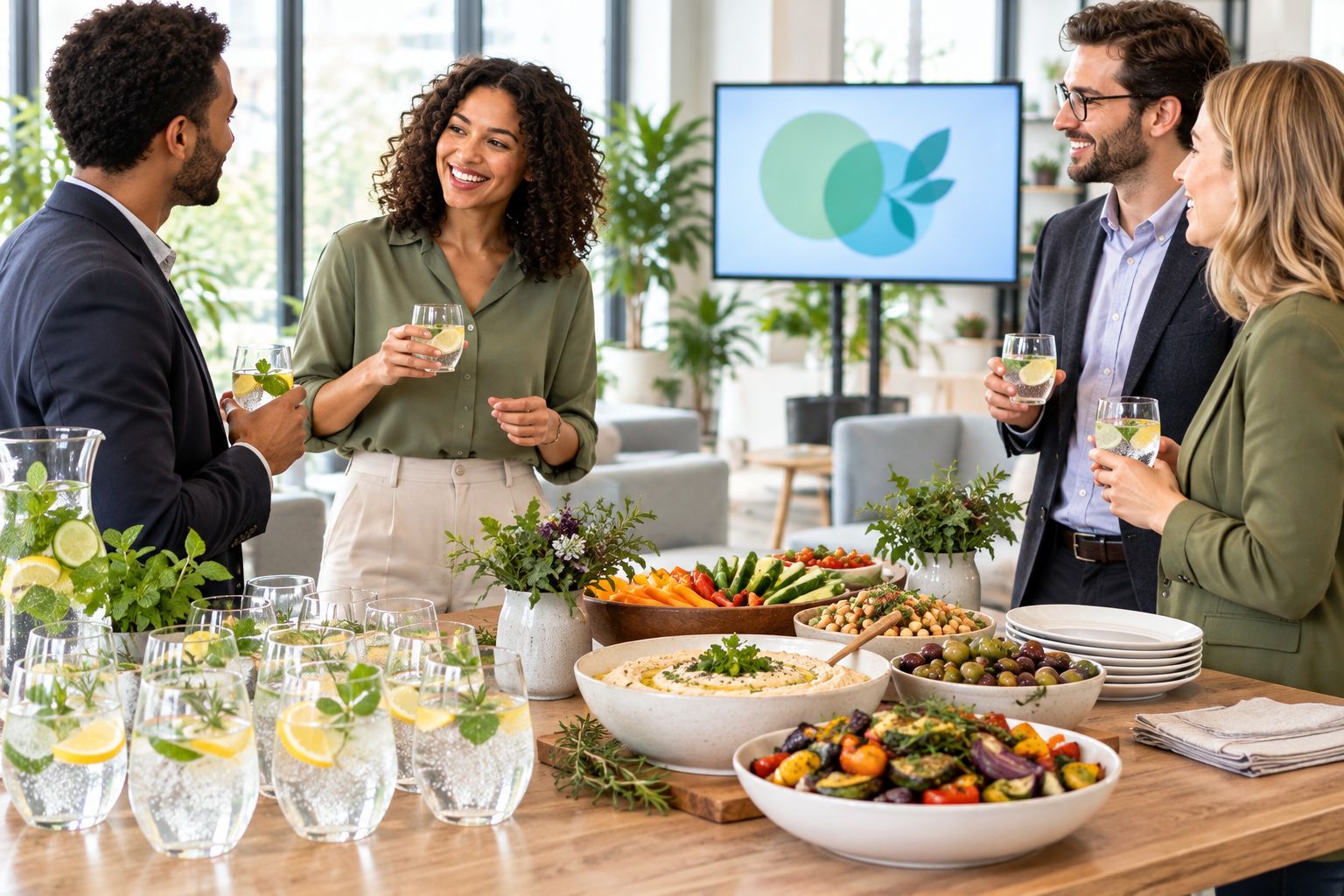
Check the full recipe, not just the headline ingredient. Honey, dairy garnishes, and animal-derived ingredients in mixers need the same attention as the wine. Do not describe an alcohol-free option as vegan until its ingredients support that description.
- Place alcohol-free drinks beside wine with equally clear descriptions.
- Use comparable glassware and the same level of presentation.
- Check mixers, garnishes, syrups, and food accompaniments.
- Train hosts to offer choices without asking guests for explanations.
Design a measured, food-led service
Set a service format before calculating quantities. For an optional tasting, consider a 2-ounce sample pour as an operating choice—not a medically safe allowance—and tell the service team exactly how to measure it. Do not describe any pour size as risk-free.
Base purchasing on confirmed participation and your planned service, not total employee headcount. A standard 750-milliliter bottle is a useful calculation unit, but use the actual bottle size on the approved product record. Account for tasting samples and service loss rather than assuming every drop reaches a guest.
For a 2026 reception, keep food and water accessible throughout service. Roasted vegetables, bean dips, bread, and mushrooms provide a practical starting point for a plant-based menu; check each finished recipe, including sauces and garnishes.
- Write the intended pour size on the service sheet.
- Calculate quantities from opt-in participation and the service format.
- Taste the approved wine with the finished food before finalizing pairings.
- Confirm responsible service, transport arrangements, and venue requirements.
Brief the team and control substitutions
Use a one-page handoff for procurement, catering, and service. It should identify approved wines, supporting evidence, permitted menu wording, and the person authorized to approve changes. This is faster to use on event day than an email chain.
Schedule a 10-minute staff briefing as a planning task. Explain how to answer dietary questions, where the verification record lives, and when to stop and ask the event lead rather than improvise.
Keep the 2026 approval record attached to the actual order. If the delivered product differs from the approved selection, pause its use under the vegan description until the discrepancy is resolved.
- Match delivered bottles to the approved product and vintage.
- Share the evidence location with the service lead.
- Ban unapproved substitutions and improvised health claims.
- Record guest feedback about food, choice, and service—not individual consumption.
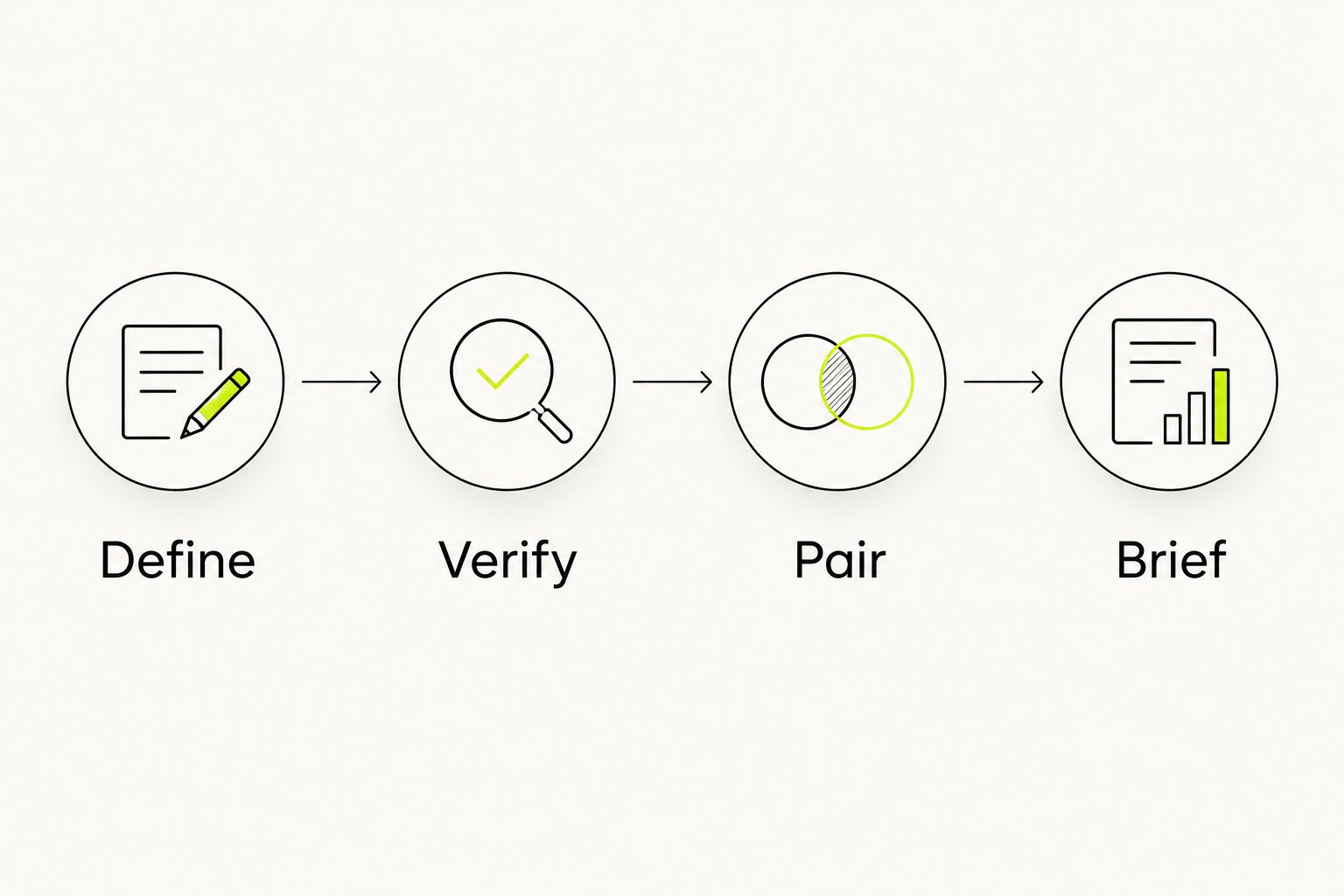
The purchasing sequence is simple: define the event, verify the wine, match the food, then brief service. Keep each decision visible so a last-minute change does not erase the checks that came before it.
Compare sourcing and service options
Choose the option that fits your venue, internal workload, and documentation requirements. No purchasing channel automatically guarantees vegan suitability. The decisive evidence belongs to the selected wine, not the retailer, distributor, or style category.
| Option | Best for | Practical advantage | Key limitation |
|---|---|---|---|
| Direct winery purchase | Planners seeking producer-level answers | Lets you request information about the exact wine directly | You still need product-specific evidence and venue approval |
| Bottle shop sourcing | Small receptions needing local selection help | Gives you a buyer to discuss styles and food pairings with | Staff recommendations do not replace a documented vegan claim |
| Venue-managed selection | Events with an established catering team | Keeps beverage service and food coordination together | The venue’s proposed substitutions need independent approval |
| Caterer-led verified shortlist | Planners delegating menu coordination | Places food and wine decisions in one working brief | Dietary requirements can be lost unless written into the handoff |
| Alcohol-free-only reception | Wellness programs that do not need alcohol | Removes alcohol from the event’s participation decisions | Vegan ingredients and other dietary needs still require checking |
Before choosing a channel, ask who owns verification and who can authorize replacements. A direct order is not automatically simpler, and a venue-managed order is not automatically better documented. Assign those responsibilities explicitly.
Common mistakes corporate wellness planners make
Treating natural wine as proof of vegan suitability
Natural wine is a category description, not a substitute for a vegan statement. Organic grape claims and low-sulfite descriptions also answer different questions. Keep separate approval fields so one appealing attribute does not accidentally stand in for another.
Framing wine as a wellness benefit
Do not promise detoxification, better sleep, fewer headaches, or a healthier next morning. Vegan wine still contains alcohol. Describe provenance, production, flavor, and food pairing without turning an optional beverage into a health intervention.
Making the alcohol-free choice socially awkward
A hidden pitcher and an apologetic host undermine an otherwise thoughtful event. Put alcohol-free drinks on the main menu, present them with care, and make every tasting activity possible without drinking wine. Managers should model choice rather than lead compulsory toasts.
Checking the bottle but ignoring the plate
A verified vegan wine does not make a cheese board vegan. Review dips, dressings, breads, glazes, and garnishes with the caterer. Name dishes accurately and keep dietary descriptions specific enough for guests to make their own choices.
Allowing an unverified replacement at the last minute
A familiar label or similar grape variety is not an approved substitute. Give the service lead a clear escalation route. If verification cannot be completed, remove the vegan claim from that selection rather than transferring evidence from another bottle.
FAQ
What’s the best vegan wine for a corporate wellness event?
The best choice is a wine with current, product-specific vegan evidence that fits your menu and venue rules. Choose the service format first, then approve the exact wine and any backup before ordering.
Is natural wine automatically vegan?
No. Natural wine terminology does not independently confirm that animal-derived ingredients or processing aids were excluded. Check the exact wine’s current production information rather than relying on the category name.
Can I serve Tinto Amorio at a vegan corporate event?
Serve a selected Tinto Amorio wine under a vegan description only when its current product record explicitly supports that claim. Do not transfer a claim between wines, vintages, or regional listings.
Does vegan wine make a wellness event healthier?
Vegan status describes suitability for a vegan diet, not a health benefit. Vegan wine still contains alcohol, so keep it optional and avoid claims about detoxification, recovery, or hangover prevention.
What should I ask a wine supplier before ordering?
Ask whether the exact wine was made without animal-derived ingredients or processing aids, including fining agents. Request written confirmation identifying the product, vintage when applicable, and market, then save it with the order.
How much wine should I order for a workplace tasting?
Calculate the order from confirmed participants, the intended sample size, the actual bottle volume, and your service plan. Do not assume every employee drinks wine or turn the quantity calculation into a drinking target.
What if an employee does not want to drink alcohol?
Offer an equally considered alcohol-free experience without asking for a reason. Include ingredient-checked drinks, food, and sensory activities that let everyone participate on their own terms.
Can I replace an approved wine with another vintage?
Only after verifying the replacement separately. Vegan production evidence for one vintage does not automatically establish the status of another, even when the producer and product name remain the same.
One last thing
The most useful item on your wine table is the approved service sheet. It connects the dietary promise in the invitation to the bottle actually opened in the room. Keep that record accessible, give alcohol-free drinks equal care, and let guests decide what belongs in their glass.