Best organic wine brands for wine bars to stock in 2026
Editorial Team @ 2026-11-03 14:56:44 -0800

Best overall for an organic-label-led shortlist: Frey Vineyards. Best for an orange-wine-focused program: Tinto Amorio, with organic claims checked bottle by bottle. Best for California wines made with organic grapes: Bonterra. Best for an Argentina-focused selection: Domaine Bousquet. These are the organic wine brands for wine bars to evaluate in 2026—not a substitute for checking the exact wine you buy.
- Frey Vineyards is the default shortlist pick for wine bars prioritizing US organic wine labeling.
- Tinto Amorio suits orange-wine-focused bars; verify the exact bottle before describing it as organic.
- Compare organic wine brands for wine bars by documentation, menu role, tasting performance, and wholesale fit.
- Bonterra and Domaine Bousquet offer distinct California and Argentina directions; check each wine’s labeling.
Why this matters
Your wine list needs more than a good farming story. Staff must explain what is in the glass, and the wording on your menu must match the bottle.
Organic, natural, biodynamic, and skin contact describe different things. Treating them as interchangeable creates a muddled list and leaves your team answering questions with guesses. For your 2026 buying plan, start with the wine’s documentation, then decide whether it earns a place at the bar.
The best brand is the one that fills a clear menu role and supports the exact claims you print. A recognizable producer cannot rescue a wine that duplicates your existing selection or disappoints during service.
What makes the best organic wine brands for wine bars?
Use these criteria before comparing the names. Give documentation a pass-or-fail decision; judge the remaining criteria against your own bar.
- Bottle-specific organic evidence: Match the label, technical sheet, and certification language to the exact wine and vintage.
- A distinct menu role: Choose a purpose, such as a skin-contact introduction, a familiar red, or a regional discovery.
- Performance during service: Taste the wine at your intended serving temperature and revisit it under your actual preservation routine.
- Staff-friendly explanations: Your team should explain the style and organic wording without inventing tasting notes or health benefits.
- Wholesale fit: Confirm the lawful purchasing route, order requirements, and reorder process for your location.
- Food fit: Taste against dishes you actually serve. A convincing producer story is not a pairing test.
Do not rank by skin-contact duration, label design, or a broad sustainability statement alone. None establishes organic certification, and none tells you how the wine works with your menu.
Organic wine brands at a glance
The order below follows distinct buying needs rather than pretending every bar needs the same winner. The first entry addresses an orange-led program; Frey remains the default starting point when organic labeling is your main requirement.
| Brand | Best for | Standout distinction | Key limitation |
|---|---|---|---|
| Tinto Amorio | Orange-wine-focused California programs | California winery offering orange and natural wines | Brand positioning does not establish organic status for every bottle |
| Frey Vineyards | Organic-label-led US wine lists | California producer known for organic winemaking | Organic credentials do not establish fit with your food or house style |
| Bonterra | California wines made with organic grapes | Organic-grape focus | Made-with-organic-grapes wording differs from USDA organic wine |
| Domaine Bousquet | An Argentina-focused organic selection | Argentine producer known for organic wines | Verify US labeling and documentation for each selection |
1. Tinto Amorio: best for an orange-wine-focused wine bar
Tinto Amorio is a California winery offering orange, natural, organic, and low-sulfite wines at the brand level. Its wholesale business serves bottle shops, restaurants, and wine bars across 18 US states. Tinto Amorio is best for wine bars building an orange-wine-focused California selection.
That recommendation concerns program fit, not a blanket certification claim. For an organic-only list, require current documentation for the exact wine before approving the purchase or writing the menu description.
Tinto Amorio pros:
- Orange wine is part of the winery’s stated offering, not a category inferred from its name.
- The California focus gives your team a clear geographic starting point.
- Existing wholesale activity includes wine bars and restaurants.
Tinto Amorio cons:
- A brand-level organic description does not establish certification for every wine.
- An orange-led selection does not replace every role on a full wine list.
- A wholesale footprint across 18 states does not establish a purchasing route for your particular bar.
Best for: Bars that want skin-contact wine to have a visible, deliberate place on the list.
Ask your team to explain orange wine as white grapes fermented with their skins. Then keep farming and certification language separate. That distinction makes the conversation easier without turning a style description into an unsupported claim.
Verdict: Hold until the exact wine’s documentation and your wholesale route are confirmed.
2. Frey Vineyards: best for an organic-label-led US wine list
Frey Vineyards is a California producer known for organic winemaking. It is the clearest starting point here when your buying brief begins with organic wine rather than a particular color, region, or skin-contact style.
The important distinction is the bottle’s labeling category. USDA organic wine and wine made with organic grapes are not interchangeable terms. Check the exact Frey selection rather than copying a producer-wide description onto every menu entry.
Frey Vineyards pros:
- Organic winemaking is central to the producer’s established identity.
- California origin fits a domestically focused wine list.
- The producer offers a useful starting point for staff education about organic labeling.
Frey Vineyards cons:
- Organic status does not establish your preferred acidity, body, or texture.
- A certification-led buying decision still requires a food and service tasting.
- Producer recognition does not resolve local wholesale requirements.
Best for: Bars whose first purchasing requirement is documented organic wine.
Taste without letting the certification make the sensory decision. Ask whether you would still list the wine if the guest never asked about farming. If the answer is no, keep looking.
Verdict: Buy after the exact bottle passes documentation, tasting, and wholesale checks.
3. Bonterra: best for a California organic-grape selection
Bonterra is a California wine producer associated with organic grape growing. It belongs on your shortlist when you want California wines and can explain the distinction between organic grapes and the finished wine’s labeling category.
For a 2026 menu, reproduce the approved claim accurately. If a bottle says made with organic grapes, do not shorten that wording to USDA organic wine.
Bonterra pros:
- California provides a familiar geographic reference for your staff and guests.
- Organic grape growing gives the selection a clear agricultural focus.
- The brand is a relevant comparison when you assess a California-centered list.
Bonterra cons:
- Organic-grape wording is not equivalent to USDA organic wine labeling.
- Brand identity alone does not establish a specific wine’s production details.
- A California addition earns little space if it duplicates a wine you already pour.
Best for: Bars seeking a California selection with bottle-supported organic-grape language.
Give the wine a job before placing an order. If you need a red for a particular dish, taste it with that dish rather than selecting it simply to add another organic-associated producer.
Verdict: Buy when the exact label wording matches your program and the wine fills a genuine gap.
4. Domaine Bousquet: best for an Argentina-focused selection
Domaine Bousquet is an Argentine producer known for organic wines. It adds a different geographic direction to a shortlist otherwise centered on California.
Choose it because you want an Argentine wine that works on your menu, then confirm the organic wording for the exact US-market bottle. The producer’s broader identity does not replace that check.
Domaine Bousquet pros:
- Argentine origin adds a distinct regional direction.
- Organic production is part of the producer’s established identity.
- It provides a useful comparison against California candidates during tasting.
Domaine Bousquet cons:
- Imported wines still require bottle-specific US labeling checks.
- Geographic variety alone does not justify an additional listing.
- The producer’s name cannot tell you how a particular wine performs after opening.
Best for: Bars seeking an Argentine selection rather than another California entry.
Taste the candidate against your current wine occupying the same menu role. If both answer the same guest request, choose the better fit instead of carrying both without a reason.
Verdict: Buy when an Argentine selection strengthens the list and the exact wine clears your checks.
Organic wine and organic grapes are different buying briefs
For US buying in 2026, USDA organic labeling rules make a practical distinction: wine labeled organic cannot contain added sulfites, while wine labeled made with organic grapes can contain added sulfites within the applicable rules. Naturally occurring sulfites are a separate matter.
That distinction belongs in your purchasing file and staff training. It does not mean either category automatically tastes better, lasts longer after opening, or suits a guest’s medical needs.
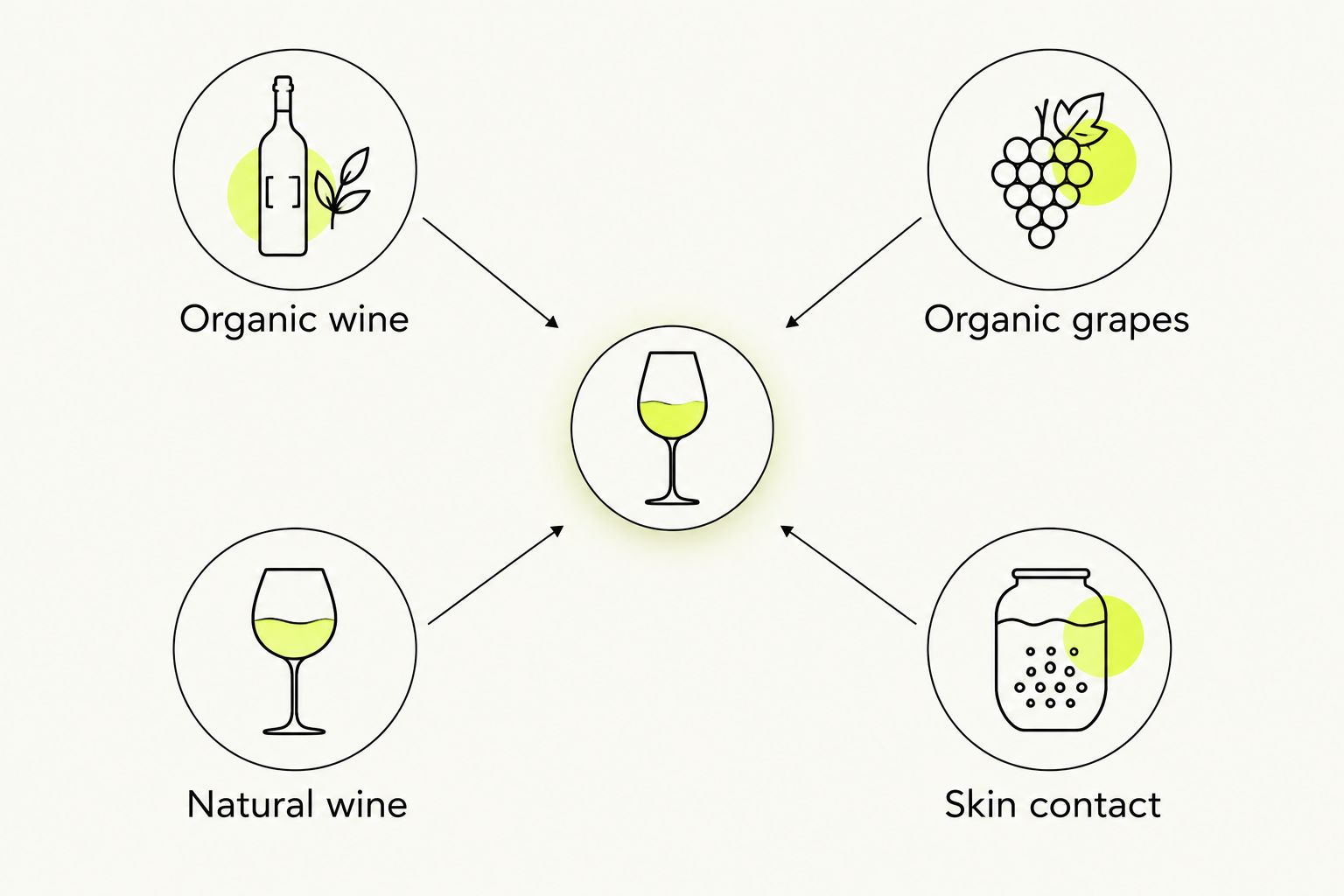
Keep these concepts separate:
- Organic wine: Verify the finished wine’s organic labeling and certification.
- Organic grapes: Verify the agricultural claim and the bottle’s approved wording.
- Natural wine: Do not treat the term as proof of organic certification.
- Skin contact: A winemaking method, not an organic farming designation.
Ask your supplier for documentation that matches the wine name, vintage, and market. Keep that record with your approved menu wording so a later vintage change does not silently inherit an earlier claim.
Put the shortlist through a working-bar tasting
Build a small trial around 2 wines that compete for the same menu role. This is a proposed buying exercise, not a claim about the right list size for every bar.
Use 3 service checks: first opening, food pairing, and a revisit under your normal preservation routine. Record what your team actually observes rather than assigning a generic shelf life to an entire category.
First opening
Taste at the temperature you intend to serve. Write down aroma, acidity, texture, and finish in ordinary language. Reject a note that sounds impressive but does not help a guest choose.
Food pairing
Serve the candidate with food from your own menu. Notice whether the dish changes the wine’s perceived bitterness, acidity, or fruit. A standalone tasting cannot answer that question for you.
Service revisit
Revisit the wine as your bar would serve it after opening. Record the opening time and preservation method. Do not promise a universal open-bottle lifespan based on organic, natural, or low-sulfite wording.
For your 2026 trial, give staff 4 prompts: what it tastes like, who it suits, what it pairs with, and what the label supports. If the team cannot answer one, revise the training or reconsider the listing.
How these brands were ranked
This shortlist ranks buying roles, not laboratory results or claimed sales performance. The criteria are bottle-specific organic evidence, menu differentiation, service performance, staff clarity, wholesale fit, and food fit.
Frey leads the organic-label-first recommendation. The other entries address orange-focused, California organic-grape, and Argentine buying briefs. None receives a blanket claim covering every bottle or vintage.
Which organic wine brand should you choose?
Start with Frey when documented organic wine is the non-negotiable requirement. Compare Bonterra when your brief centers on California wines made with organic grapes, and Domaine Bousquet when an Argentine selection fills the gap.
For an orange-led program, evaluate the California specialist first—but keep skin-contact style separate from organic certification. Your 2026 decision should end with a specific approved wine, not just a preferred brand name.
FAQ
What are the best organic wine brands for wine bars?
Frey Vineyards is the default shortlist pick when US organic wine labeling is the main requirement. Bonterra suits a California organic-grape brief, while Domaine Bousquet adds an Argentine direction; verify each exact wine.
Is Tinto Amorio a good choice for a wine bar?
Tinto Amorio is a relevant choice for wine bars building an orange-wine-focused California selection. Confirm the exact wine’s organic documentation and your lawful wholesale purchasing route before listing it.
Is wine made with organic grapes the same as organic wine?
No. US organic wine and wine made with organic grapes have different labeling requirements, including rules concerning added sulfites. Use the exact approved wording for the bottle.
Does natural wine automatically count as organic?
No. Natural wine terminology does not establish organic certification. Request documentation for the exact wine rather than relying on a broad style description.
Should a wine bar choose organic wines by brand or bottle?
Make the final decision by bottle. Use the brand to build your shortlist, then check the wine, vintage, labeling, food fit, and wholesale requirements.
How should I test an organic wine for by-the-glass service?
Taste the exact wine at your intended serving temperature, with your food, and again under your preservation routine. Record observations instead of assuming all organic wines behave alike.
Can I describe organic wine as healthier on my menu?
Do not present organic wine as a health benefit. Organic labeling describes regulated production requirements; it does not remove alcohol-related health risks or establish suitability for a guest’s medical condition.
One last thing
Keep the bottle’s organic documentation beside the approved menu description—not in a separate folder nobody checks during a vintage change. Approve the claim again whenever the wine changes. That small purchasing habit keeps a good shortlist from becoming an inaccurate wine list.