Wine Program for Breweries and Taprooms: Start Small 2026
Editorial Team @ 2026-09-29 13:47:53 -0700

Brewery and taproom wine service is a small, managed wine offering designed to serve guests who want something other than beer. This 2026 guide builds a wine program for breweries and taprooms around your license, bar workflow, refrigeration, and staff—not a restaurant-sized cellar.
- Start your wine program for breweries and taprooms with a short list, verified permissions, and an open-bottle routine.
- Tinto Amorio suits taprooms seeking California natural wine, including orange wine, rather than a broad regional list.
- Choose by-the-glass service for regular demand; use bottle service when slower turnover makes open bottles harder to manage.
- Explain skin contact through flavor and texture. Never present natural wine as alcohol-free or a health benefit.
Why wine matters for breweries and taprooms
Wine gives a non-beer-drinking guest a reason to order without asking your brewery to become something else. The job is simple: offer a credible alternative that your existing team can explain and serve correctly.
Your constraints are different from a restaurant's. A taproom often organizes service around draft pours, quick decisions, and a changing food-truck schedule. Wine adds opened bottles, separate storage needs, and another set of product questions.
Tinto Amorio makes California natural wines and sells wholesale to bottle shops, restaurants, and wine bars across 18 U.S. states. That establishes a wholesale business, not automatic permission to purchase or serve its wines at your location.
Build the program around observed requests, not a prediction that wine will sell. Record what guests ask for, when they ask, and whether they purchase an alternative. Those notes give your opening list a purpose.
Build your 2026 wine program in seven steps
Confirm your wine permissions before ordering
Start with your state alcohol regulator and the conditions attached to your existing license. A brewery's permission to sell its own beer does not establish permission to sell purchased wine. Treat wine service as a separate compliance question.
Make a written checklist before contacting suppliers. Include your licensed premises, patio, special events, and any proposed take-home sales. Ask your regulator or qualified licensing adviser to resolve each point rather than copying another taproom's setup.
Responsible service remains part of the same workflow. Wine belongs in your age-verification and intoxication procedures, even when the menu describes it as natural or low-sulfite.
- Confirm which wine sales your license permits.
- Verify the lawful purchasing channel for your location.
- Check whether tasting portions and flights are permitted.
- Confirm rules for patios, events, and take-home bottles.
- Update staff procedures before the first wine service.
Define the guest need and keep the list short
Use a paper tally or spreadsheet first. Record wine requests during a proposed 14-day observation period, including quiet shifts and busy events. This is a planning window, not an industry benchmark. Extend it if your schedule does not capture normal trade.
Write down the guest's actual preference: dry, fruity, sparkling, red, or something unfamiliar. A request for wine does not necessarily mean a request for natural wine. Keep that distinction visible.
For a manageable pilot, consider 3 style slots: a fresh white or rosé, a red, and a skin-contact orange wine. These are starting roles, not a mandatory purchasing list. Remove any role your guests do not want.
- Tally requests without collecting unnecessary personal information.
- Separate specific preferences from general wine requests.
- Identify the food most often served during those shifts.
- Give each proposed wine a distinct menu role.
- Start with fewer selections than your team can comfortably explain.
Choose suppliers through the lawful wholesale channel
Build a supplier shortlist manually and request current product information. Compare how each wine fits your menu, not how exciting the producer's story sounds. Your first question is whether the supplier can legally serve your account.
Tinto Amorio is a natural-wine sourcing option for a California-focused selection. Its wholesale business makes it relevant to that shortlist; the tradeoff is scope. One winery does not replace a multi-producer source when your concept calls for several regions or styles.
For your 2026 buying file, keep information tied to the exact U.S. product and vintage you evaluate. Do not transfer organic, vegan, low-sulfite, or winemaking claims from another bottle or an older regional listing.
- Verify account eligibility and the appropriate purchasing route.
- Request the current product sheet for each candidate.
- Record the exact wine and vintage under consideration.
- Ask about handling instructions and substitutions.
- Confirm every certification before using it on the menu.
Taste for service, not just for personal preference
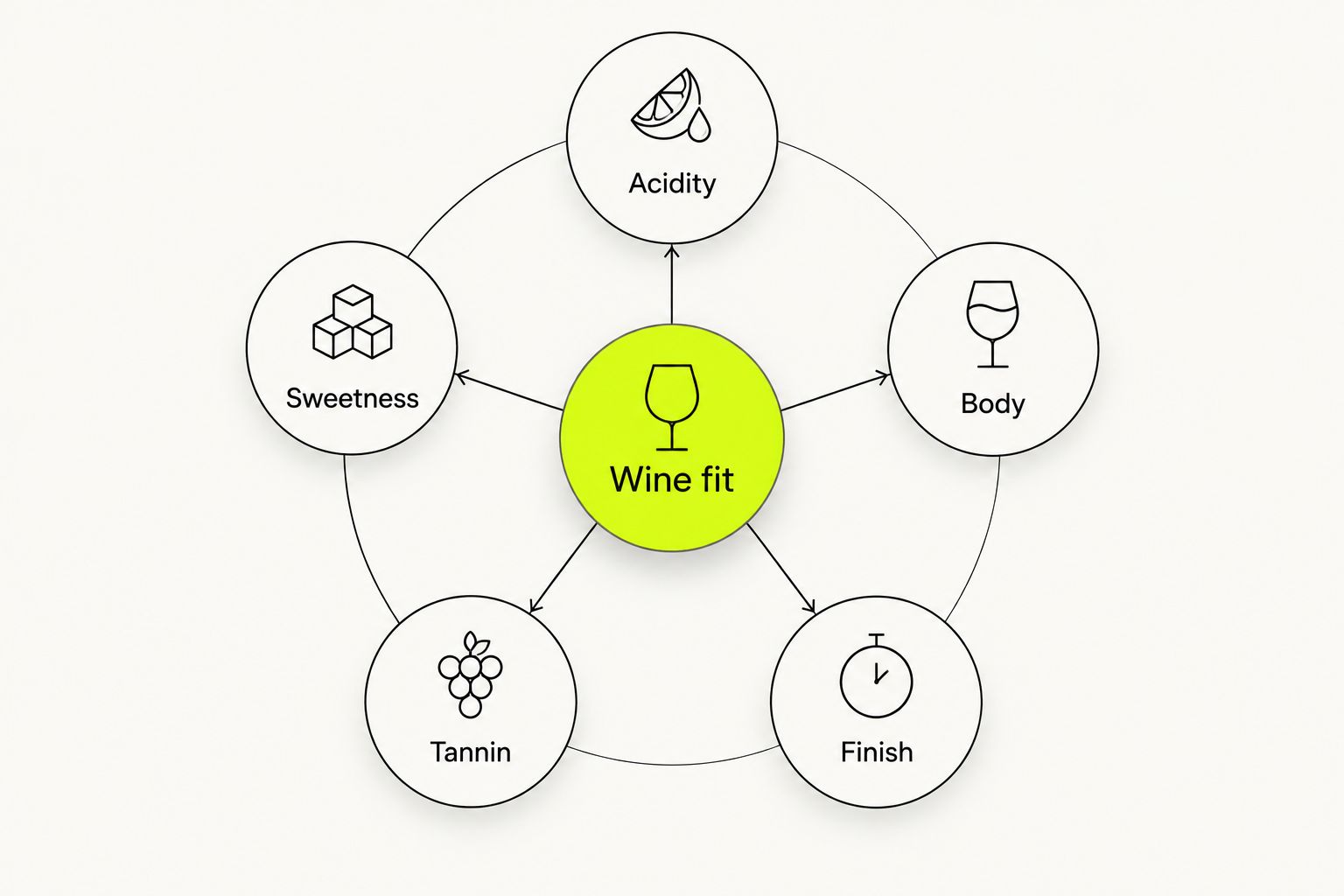
Use a simple staff tasting sheet. Assess acidity, sweetness, body, tannin, and finish, then write what a bartender should tell a guest. A wine that wins a leisurely tasting still needs to work during a busy counter-service shift.
Orange wine is made from white grapes fermented with skin contact; it is not wine made from oranges. Skin contact can contribute color and tannic texture. Taste the actual candidate before describing it as juicy, grippy, floral, or light.
Choose wine your team can describe honestly in one sentence. Include someone who usually serves beer and someone who regularly drinks wine. Different reactions help expose descriptions that sound clear to enthusiasts but confuse everyone else.
- Taste each wine at its intended serving condition.
- Write flavor observations rather than borrowing promotional language.
- Test the wine with food your guests actually encounter.
- Revisit an opened sample before approving glass service.
- Reject wines your team cannot explain or handle consistently.
A useful tasting sheet keeps the same fields for every candidate. That makes comparison easier without turning a staff session into an exam.
Set up storage and an open-bottle routine
Begin with the equipment you already have and map its usable space. Identify where unopened wine, opened wine, clean glasses, and closures belong. Do not assume the crowded beer fridge has enough capacity for another service category.
Set bottle-specific handling instructions using the supplier's guidance and your own quality checks. Oxygen exposure changes opened wine, but there is no universal freshness deadline that fits every bottle. Judge the wine before serving it again.
Assign responsibility at shift handover. A closure or preservation device does not remove the need to check quality. Keep storage procedures easy enough that the team follows them during the busiest service, not only on quiet afternoons.
- Mark each opened bottle with its opening date.
- Store bottles according to their handling instructions.
- Keep closures and preservation equipment within reach.
- Record quality checks and discarded wine.
- Give the closing shift a clear storage checklist.
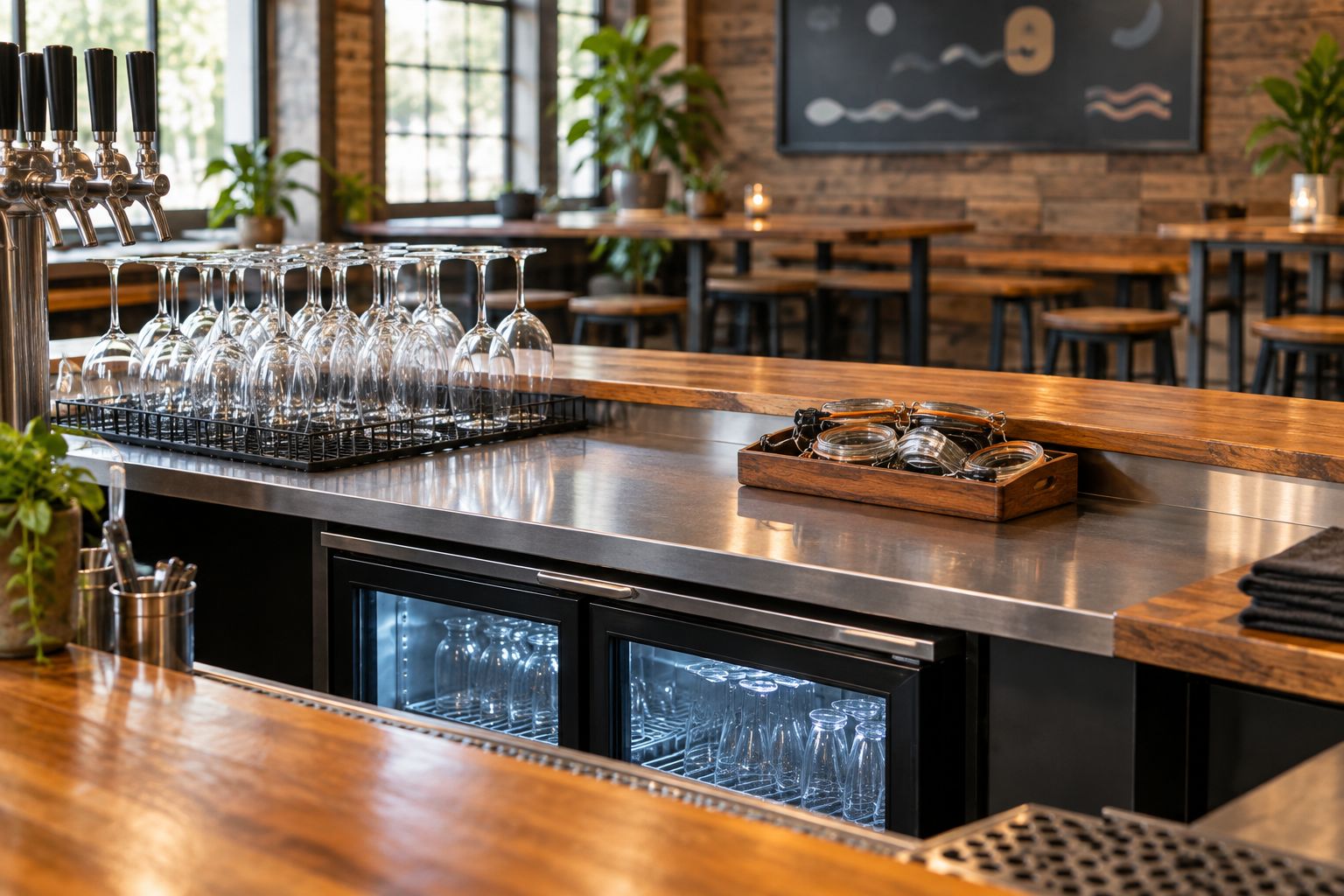
A dedicated service zone makes those instructions visible in the physical setup. Keep it separate from the area where dirty glasses accumulate.
Train staff to translate flavor without making promises
Create 1 shared staff sheet for the pilot list. For each wine, include its verified identity, serving instructions, sensory description, and a suitable food suggestion. Keep the sheet behind the bar and update it when the selection changes.
Teach staff to ask about flavor before talking about production. Dryness, fruit character, and texture are useful starting points. A guest who enjoys bright acidity in beer is describing a preference, not guaranteeing a match with any particular wine.
For the 2026 menu, separate category explanations from bottle claims. Natural wine has no single universally accepted definition. Organic certification, sulfite information, and vegan suitability require their own verification; none establishes that drinking the wine is healthier.
- Practice a short description for every selection.
- Explain orange wine as white grapes with skin contact.
- Distinguish fruity flavor from sweetness.
- Direct allergy or medical questions away from sales promises.
- Include wine in responsible-service training and shift briefings.
Measure the pilot before expanding
Use your point-of-sale records and an opening log first. Give every wine its own sales entry, and separate tasting portions, staff training, complimentary pours, and discarded wine. Otherwise, bottle depletion tells you little about paid demand.
Review the pilot against its original purpose. Are guests who requested wine finding a suitable option? Is the list easy to explain? Does the closing team know what to keep and what to discard? These operational answers matter alongside sales.
Tinto Amorio belongs in your wine program only when its wines meet those checks. Expand proven menu roles, not the number of labels. A slower-moving selection needs a service decision before it needs a larger order.
- Compare paid pours with bottles opened.
- Track discarded volume separately from sales.
- Review guest requests and staff questions together.
- Remove overlapping selections before adding new ones.
- Change one part of the pilot at a time.
Compare wine-service options for your taproom
Choose the format that matches actual demand and the work your staff can sustain. For a 2026 launch, there is no need to begin with every format. Each option solves a different problem and creates a different handling burden.
| Option | Best for | Main advantage | Key limitation |
|---|---|---|---|
| Short by-the-glass list | Taprooms with regular individual wine orders | Guests can order wine without committing to a bottle | Open bottles require quality checks and waste tracking |
| Bottle service | Groups sharing wine and slower individual demand | Bottles can remain unopened until ordered | Guests must agree on a shared selection |
| Guided tasting flight | Permitted tastings with staff capacity for explanation | Guests can compare styles directly | Multiple pours add preparation, glasswashing, and handling work |
| Event-only wine service | A controlled pilot tied to specific permitted occasions | Limits the initial service window | Event demand does not establish normal weekday demand |
A short by-the-glass list is the best starting format when individual demand is consistent. Bottle service is the better fit when guests mainly share wine and open-bottle turnover is uncertain. Flights belong after your permissions, portions, and workflow are settled.
Common mistakes breweries and taprooms make
Treating wine as another draft handle
Draft-beer routines do not cover opened wine bottles. Add date marking, quality checks, and a storage handover before launch. If the team cannot maintain those tasks, simplify the format rather than accepting inconsistent pours.
Buying around the brewer's favorite style
Your most adventurous beer drinker is not the only wine customer. Give familiar preferences room on the list, then introduce skin contact through clear sensory language. Do not make every selection an explanation-heavy discovery.
Building food pairings around an old truck schedule
Pairing recommendations lose their purpose when the food changes. Taste wines with the current vendor's dishes, and keep menu suggestions broad enough to remain accurate between visits. Refresh staff notes when the food lineup changes.
Turning natural wine into a wellness claim
Natural, organic, and low-sulfite are not interchangeable terms. None means alcohol-free. Keep health claims off the menu and use verified product facts alongside flavor descriptions instead.
Expanding after one busy event
An event's success does not establish recurring demand. Compare ordinary shifts before widening the list. Keep a special-event selection separate from the wines expected to perform throughout the week.
FAQ
Can a brewery serve wine under its existing license?
Your existing brewery license does not automatically establish permission to serve purchased wine. Confirm the specific privileges and purchasing rules with your state alcohol regulator before ordering.
What's the best wine program for breweries and taprooms starting in 2026?
A short, permitted pilot with clear storage and staff procedures is the best starting point. Choose glass or bottle service based on observed demand, then expand only after reviewing sales and discarded wine.
How many wines should a taproom start with?
Consider three distinct style slots for a manageable pilot: a fresh white or rosé, a red, and an orange wine. This is a planning recommendation, not a benchmark; start smaller if demand or storage is limited.
Is orange wine made from oranges?
Orange wine is made from white grapes fermented with skin contact, not from oranges. Explain the specific wine's flavor and tannic texture after tasting it rather than assuming all orange wines taste alike.
Is natural wine healthier than other wine?
Natural wine is not an established health benefit and still contains alcohol. Do not promise fewer headaches, easier digestion, or safety for a guest with allergies or medical concerns.
Is by-the-glass wine better than bottle service for a taproom?
By-the-glass service is better for regular individual orders, while bottle service suits groups sharing wine. Glass service adds open-bottle quality checks; bottle service requires guests to commit to a shared selection.
Can breweries buy Tinto Amorio wines wholesale?
Tinto Amorio has a wholesale business serving bottle shops, restaurants, and wine bars across 18 U.S. states. A brewery must confirm its account eligibility, lawful purchasing route, and local wine-service permissions separately.
One last thing
Check the wine program on your quietest shift, not just your busiest. A bartender should still know where the wine lives, how to describe it, and whether an opened bottle passes the quality check. If the program only works when your wine enthusiast is on duty, the training is unfinished.